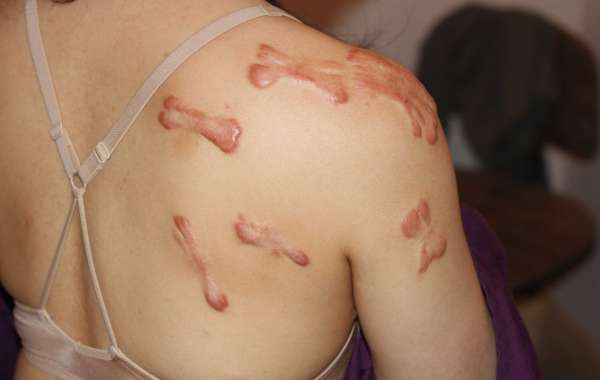

Finding the right Keloid Treatment in Dubai starts with understanding that every raised scar is different. Keloids can vary in size, location, texture, colour, and thickness, so the approach that works for one person may not be ideal for another. By learning about the available options and considering your skin's individual needs, you can make a more informed decision about managing the appearance and symptoms of keloid scars.
Understand What a Keloid Is
A keloid is a type of raised scar that develops when the body produces too much collagen during the healing process. Unlike ordinary scars, keloids can extend beyond the original wound and may continue growing over time. They can appear after surgery, injuries, burns, acne, vaccinations, or even minor skin trauma such as piercings.
Because keloids behave differently from typical scars, choosing a treatment requires careful assessment. Factors such as how long you have had the keloid, whether it is still growing, and whether it causes itching, tenderness, or discomfort can all influence the next step. In addition, the location of the scar can affect which treatment approach is most suitable.
Consider the Size, Location, and Appearance
Before choosing a treatment, look closely at the characteristics of your keloid. A small scar on the earlobe may require a different strategy from a larger keloid on the chest, shoulder, or neck. Similarly, a scar that is flat and stable may be managed differently from one that is thick, firm, itchy, or actively expanding.
Skin tone can also be relevant when discussing treatment. Some procedures may carry a risk of temporary pigmentation changes, particularly in darker skin tones. Therefore, a personalised evaluation can help identify suitable options while taking your natural complexion and healing response into account.
Explore Your Treatment Options
There is no single solution that works for every keloid. Instead, treatment may involve one approach or a combination of methods depending on the scar's characteristics and your individual needs. Common options may include:
- Corticosteroid injections: These may help soften and flatten raised scar tissue while reducing inflammation and symptoms such as itching.
- Silicone sheets or gels: These are often used as part of scar management and may help improve the texture and appearance of some scars with consistent use.
- Cryotherapy: This technique uses controlled cold to target scar tissue and may be considered for selected smaller keloids.
- Laser-based procedures: Certain laser technologies may help improve redness, texture, or pigmentation, depending on the scar and the individual's skin.
- Surgical removal: In some cases, a keloid may be removed surgically, although additional treatment is often considered because keloids can return after excision.
- Combination therapy: Using more than one method may sometimes provide better control, particularly when a keloid is persistent or recurrent.
Keloid Treatment should therefore be selected according to the scar's behaviour rather than simply choosing the most advanced-sounding option. A qualified skin specialist can examine the area, discuss your previous scar history, and determine which method or combination may be appropriate.
Think About Your Previous Scar History
Your past experience with scarring can provide important clues when selecting a treatment. If you have developed keloids after previous injuries, surgeries, or piercings, you may have a higher tendency to form them again after future skin trauma. This history should be discussed during your consultation.
It is also useful to mention whether you have tried any treatments before and how your skin responded. For example, if a previous approach produced only temporary improvement or caused unwanted irritation, that information can help guide future decisions. Keeping a record of previous procedures and their outcomes may make your consultation more productive.
Consider Your Main Treatment Goals
People seek keloid care for different reasons. Some are primarily concerned about the raised appearance of the scar, while others experience itching, pain, tenderness, or tightness. Your personal goal can influence which treatment options deserve consideration.
If appearance is your main concern, your specialist may focus on reducing the height, redness, or uneven texture of the scar. However, if discomfort is affecting your daily life, controlling symptoms may become a more immediate priority. Clearly explaining what you hope to achieve can help create a treatment plan that aligns with your expectations.
Ask About Combination Approaches
In many cases, keloid management is not limited to one procedure. Because these scars can be persistent and may return after treatment, specialists may recommend combining different techniques. For instance, a procedure designed to reduce the bulk of a keloid may be followed by another method intended to lower the risk of recurrence.
The right combination depends on several factors, including the size and location of the scar, your previous treatment history, and how your skin responds. Rather than assuming that one method is universally better, it is worth asking why a particular combination has been recommended for your situation.
Choose a Personalised Treatment Plan
A personalised plan is often more appropriate than following a standard treatment schedule. During an assessment, a specialist may evaluate the keloid's size, colour, firmness, age, and growth pattern. They may also consider your overall skin characteristics and any history of abnormal scarring.
Furthermore, treatment may require several sessions or ongoing care rather than a single appointment. Keloids can respond gradually, and the aim may be to reduce their prominence and symptoms while limiting the chance of recurrence. Following the recommended schedule and aftercare instructions can play an important role in maintaining progress.
Know What to Ask During Your Consultation
Before starting treatment, prepare questions that help you understand what to expect. Useful questions may include:
- What type of keloid do I have?
- Why is this treatment suitable for my skin?
- How many sessions might be needed?
- What changes should I realistically expect?
- Could the keloid return after treatment?
- What aftercare will I need?
- Are there any factors that could affect my results?
Having an open discussion can help you compare options and feel more confident about your decision. It also gives you an opportunity to discuss concerns about pigmentation, sensitivity, healing, or recurrence before beginning.
Follow Your Aftercare Instructions Carefully
Your role does not end when the treatment session is complete. Proper aftercare can support the healing process and help protect the treated area. Depending on the procedure, you may be advised to avoid unnecessary irritation, protect the skin from excessive sun exposure, or use specific scar-care products.
Avoid picking, scratching, or repeatedly irritating the area, as additional trauma may interfere with healing. If you notice unusual swelling, persistent discomfort, changes in the treated area, or other concerns, contact your healthcare provider for appropriate advice rather than attempting to manage the problem yourself.
Make an Informed Choice for Your Skin
Finding the right treatment for a keloid requires more than choosing a procedure based on popularity. The best approach depends on your scar's characteristics, your skin type, your medical and scar history, and your personal goals. A professional assessment can help determine whether one treatment or a combination of methods is more appropriate for you.
Ultimately, successful keloid management often involves patience, realistic expectations, and consistent follow-up. If you are exploring treatment options, Dynamic Clinic can be considered as part of your search for personalised care and guidance. By discussing your concerns openly and following a plan designed around your individual skin needs, you can take a more informed approach to managing the appearance and symptoms of keloid scars.