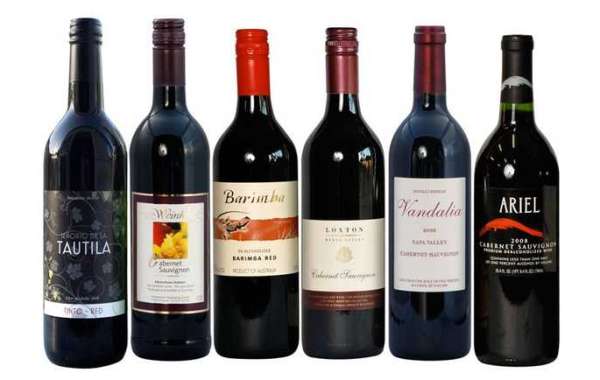

The world of beverages has undergone a remarkable transformation in recent years as more people seek healthier, more mindful drinking options. Among the most popular choices is non-alcoholic wine, a category that has advanced far beyond simple grape juice. Today, non-alcoholic wines offer rich aromas, layered flavors, and an authentic wine-like experience—just without the alcohol content. Whether someone is avoiding alcohol for health, religious, medical, or personal reasons, non-alcoholic wines offer a refined and sophisticated alternative. This article explores the rise of non-alcoholic wines, how they’re made, their taste profile, their benefits, and what makes them a valuable addition to the modern beverage landscape.
What Are Non-Alcoholic Wines?
Non-alcoholic wines are beverages made from real wine, created through traditional fermentation but later processed to remove the alcohol. This is why non-alcoholic wines retain the aroma, body, taste structure, and tannins of traditional wines. They come in the same categories we enjoy today, such as:
- Red wines
- White wines
- Rosé wines
- Sparkling wines
- Champagne-style wines
Unlike grape juice, these beverages go through a complete winemaking process, giving them the authentic complexity wine lovers appreciate.
Most non-alcoholic wines contain 0.0% to 0.5% ABV, which is legally considered alcohol-free in many countries.
How Are Non-Alcoholic Wines Made?
To understand why non-alcoholic wines taste so much like real wines, it’s important to know how they are produced. They go through three major stages:
1. Traditional Winemaking
The process begins with the cultivation of premium grapes. The grapes are harvested, crushed, fermented, and aged just like classic wines. This fermentation step is crucial because it allows the wine to develop character, flavor complexity, acidity, sweetness levels, and aroma.
2. Alcohol Removal
After the wine has matured, the alcohol is removed carefully using specialized techniques:
- Vacuum distillation
Lowers the boiling point of alcohol so it can be removed without damaging flavors. - Reverse osmosis
Filters alcohol molecules while preserving flavor compounds and aromas. - Centrifugal spinning cone
A high-tech method that gently separates alcohol and preserves delicate aromas.
These methods ensure that the final product tastes nearly identical to traditional wine.
3. Flavor Rebuilding
After the alcohol is removed, winemakers adjust flavor, add back natural aromas, and enhance body or texture to make the beverage feel balanced and satisfying.
Why Are Non-Alcoholic Wines Gaining Popularity?
Non-alcoholic wines have become one of the fastest-growing segments of the global beverage industry. The reasons for their rising popularity include:
1. Health Awareness
People want to enjoy delicious drinks without negative effects such as:
- Liver damage
- Hangovers
- Dehydration
- Sleep disruption
- Weight gain
Non-alcoholic wines offer a guilt-free alternative.
2. Mindful Drinking Movement
Consumers are moving away from excessive drinking and embracing moderation. Non-alcoholic wines support a balanced lifestyle.
3. Social Inclusion
Events, parties, and dinners often revolve around wine. Non-alcoholic wines allow everyone to participate without pressure.
4. Religious and Cultural Restrictions
People who avoid alcohol for religious reasons now have a sophisticated replacement.
5. Better Taste Than Ever
Advanced technology has improved the flavor and quality of non-alcoholic wines, making them nearly indistinguishable from alcoholic ones.
Types of Non-Alcoholic Wines
The world of non-alcoholic wines offers a wide range of flavors and categories, allowing customers to enjoy gourmet drinks tailored to their preferences.
1. Non-Alcoholic Red Wines
These wines offer rich, deep flavors with notes of berries, oak, spices, and chocolate. They pair beautifully with:
- Steaks
- Pasta
- Grilled vegetables
- Roasted chicken
- Cheese platters
Popular varieties include Cabernet Sauvignon, Merlot, and Pinot Noir.
2. Non-Alcoholic White Wines
Light, crisp, and refreshing, these wines provide notes of citrus, apple, peach, and tropical fruits. They pair well with:
- Seafood
- Salads
- Light appetizers
- Sushi
Common types include Chardonnay, Sauvignon Blanc, and Riesling.
3. Non-Alcoholic Rosé Wines
Perfect for warm weather, brunch, and casual meals, rosé wines bring floral, fruity flavors with a smooth finish.
4. Non-Alcoholic Sparkling Wines
These are top choices for celebrations, events, weddings, and parties. Sparkling varieties deliver the same bubbly elegance as champagne—minus the alcohol.
Benefits of Drinking Non-Alcoholic Wines
Non-alcoholic wines offer a long list of advantages that make them appealing to modern consumers.
1. Zero Hangover
No alcohol means no headaches, dizziness, fatigue, or dehydration the next morning.
2. Safe for Pregnant Women
Many pregnant women choose non-alcoholic wines to enjoy the experience of wine without putting their child at risk.
3. Lower Calories
Non-alcoholic wines typically contain fewer calories than alcoholic ones, supporting weight management goals.
4. Heart Health Benefits
Because these wines still contain antioxidants from grapes, they may help with blood circulation and cardiovascular health.
5. No Risk of Addiction
Non-alcoholic wines allow individuals to enjoy wine culture safely.
6. Perfect for Social Occasions
You can raise a glass at celebrations, weddings, or dinners without compromising personal health or responsibilities.
Do Non-Alcoholic Wines Really Taste Like Real Wine?
In the past, alcohol-free wines tasted more like sweet juice. But modern technology has completely transformed the category. Today’s non-alcoholic wines maintain:
- Aroma
- Tannins
- Flavor structure
- Acidity
- Mouthfeel
This means the wine experience feels authentic even without alcohol. While there may be slight differences, most premium alcohol-free wines taste surprisingly close to traditional wines.
Who Should Drink Non-Alcoholic Wine?
Non-alcoholic wine is ideal for:
- People reducing alcohol intake
- Pregnant or breastfeeding women
- Fitness and health-conscious individuals
- Those recovering from addiction
- Drivers who want to stay safe
- Professionals avoiding alcohol on work nights
- People with medical conditions
- Anyone who enjoys wine flavor without alcohol
It’s a guilt-free, sophisticated option for everyday enjoyment.
How to Choose the Best Non-Alcoholic Wine
To select a high-quality non-alcoholic wine, consider the following:
1. Check the Brand Reputation
Go for well-known brands that specialize in alcohol-free beverages.
2. Look at the Production Method
Reverse osmosis and spinning cone technology produce better-tasting wines.
3. Read Tasting Notes
These descriptions help you understand flavor profiles before purchasing.
4. Choose According to the Food You’ll Pair It With
Red wines pair better with heavy meals, while white wines complement light dishes.
5. Avoid Brands That Add Too Much Sugar
Premium non-alcoholic wines aim for balance, not excessive sweetness.
Best Ways to Serve Non-Alcoholic Wines
To enjoy the full flavor, serve your alcohol-free wine the right way:
- Chill white, rosé, and sparkling wines.
- Serve red wines at room temperature.
- Use proper wine glasses to enhance aroma.
- Pair with suitable foods for a richer experience.
Treat non-alcoholic wine just like traditional wine, and you’ll get maximum pleasure from every sip.
Where to Buy Non-Alcoholic Wines
You can buy premium non-alcoholic wines from:
- Specialized alcohol-free shops
- Online non-alcoholic stores
- Supermarkets (selected brands)
- Health and wellness stores
- International online retailers
Dedicated alcohol-free shops usually offer the best variety and freshness.
Final Thoughts
Non-alcoholic wines have opened a new chapter in modern drinking culture. They provide the taste, elegance, and emotional pleasure of wine—without the effects of alcohol. From improved health to social confidence, these beverages offer endless benefits while making celebrations more inclusive for everyone. As technology continues to improve, non-alcoholic wines will only become more refined, flavorful, and accessible.
Whether you’re transitioning to a healthier lifestyle, avoiding alcohol, or simply curious, non-alcoholic wines are a smart and sophisticated choice. They let you enjoy every moment, every flavor, and every celebration—without compromise.