
Dental Implants in Dubai: What to Expect
Choosing a tooth replacement option can feel overwhelming when you are unsure about the treatment process. Dental Implants in Dubai can provide a fixed and stable solution for missing teeth, but understanding each stage can make the experience easier to plan. A consultation with a trusted dental clinic in dubai allows the dentist to assess your oral health, discuss your expectations, and determine whether implant treatment is suitable for you.
What Are Dental Implants?
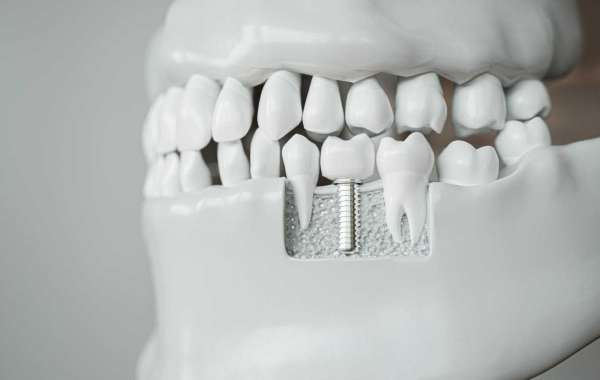
Dental implants are artificial tooth roots placed into the jawbone to support replacement teeth. They can be used to replace a single missing tooth, several teeth, or support a full-mouth restoration.
An implant treatment commonly consists of an implant fixture, an abutment, and a dental crown or another restoration. The implant provides the foundation, while the visible restoration is designed to restore the appearance and function of the missing tooth.
What Happens During the First Consultation?
The first appointment usually focuses on understanding your dental needs.
Your dentist will ask about your dental history and examine your teeth, gums, bite, and the area where the tooth is missing.
Any existing dental problems may need to be treated before implant placement. This can include cavities, gum disease, or damaged teeth.
The dentist will also discuss your expectations and explain the available replacement options.
Dental Imaging and Treatment Planning
Imaging plays an important role in implant planning.
Dental X-rays can provide information about the jawbone and surrounding teeth. In some cases, three-dimensional imaging may be used to assess bone height, width, and anatomical structures.
The information gathered helps the dentist determine the appropriate implant position and identify whether additional procedures may be necessary.
Are You a Suitable Candidate?
Dental implants can be suitable for many adults, but not everyone is immediately ready for treatment.
Adequate bone support and healthy gum tissues are important considerations.
Patients with insufficient bone may require bone augmentation. Those with active gum disease may need periodontal treatment before implant placement.
Your dentist will evaluate these factors before confirming the treatment plan.
What Happens During Implant Placement?
Once treatment has been planned, the implant is placed into the jawbone.
Local anesthesia is commonly used to numb the treatment area. The dentist carefully prepares the site and positions the implant.
The procedure varies depending on the number of implants and complexity of the case.
After placement, the implant enters a healing phase before the final restoration can be attached.
Understanding Osseointegration
Osseointegration is the process through which the implant integrates with the surrounding jawbone.
This step is important because the implant needs a stable foundation before supporting the final tooth restoration.
Healing time varies depending on factors such as bone quality, implant location, and individual healing.
Your dentist will monitor the implant during follow-up appointments and determine when it is ready for restoration.
Will Dental Implant Surgery Hurt?
Pain is a common concern among patients considering implant treatment.
Anesthesia is used during implant placement to minimize discomfort.
After surgery, mild swelling, tenderness, or sensitivity can occur. These symptoms generally form part of the normal healing process.
Your dentist will provide specific instructions regarding oral hygiene, eating, medications, and activity.
If discomfort becomes severe or symptoms worsen, contact your dental professional.
What Happens After Implant Placement?
The early recovery period requires careful attention to the treatment area.
Your dentist may recommend avoiding pressure on the implant site and following a softer diet temporarily.
Good oral hygiene remains important, but you should follow the specific cleaning instructions provided by your dental team.
Follow-up visits allow the dentist to evaluate healing and ensure the treatment is progressing appropriately.
When Is the Dental Crown Placed?
The final crown is usually placed after the implant has sufficiently integrated with the bone.
An abutment connects the implant to the crown.
The crown is designed according to the shape, shade, size, and position of your surrounding teeth.
A well-planned restoration can help the replacement tooth blend naturally with your smile.
How Long Does the Full Process Take?
There is no single timeline for every patient.
Straightforward implant cases may progress through treatment relatively quickly, while patients requiring extraction, bone grafting, gum treatment, or other procedures may need additional time.
Healing and osseointegration also affect the schedule.
Your dentist can provide a personalized timeline after reviewing your dental condition and treatment plan.
What Affects Dental Implant Cost?
Several factors can influence the overall cost of implant treatment.
These may include the number of implants, implant system, crown material, diagnostic imaging, extraction, bone grafting, temporary restorations, and laboratory fees.
The complexity of your case and the type of final restoration can also affect the total price.
Before treatment, request a detailed estimate and ask which services are included.
Dental Implants for One Missing Tooth
For a single missing tooth, one implant can support an individual crown.
This option can provide a fixed replacement without typically requiring the adjacent healthy teeth to support a bridge.
The dentist will evaluate the available bone and the condition of the surrounding teeth before recommending this approach.
Dental Implants for Multiple Missing Teeth
When several teeth are missing, multiple implants can support individual crowns or a bridge.
The treatment plan depends on the number and location of missing teeth and the available bone.
Implant-supported bridges can sometimes reduce the number of implants required compared with replacing every missing tooth individually.
Full-Mouth Implant Treatment
Patients with extensive tooth loss may be candidates for full-mouth implant-supported restorations.
Several strategically placed implants can support a larger restoration.
Treatment planning takes into account bone condition, remaining teeth, gum health, bite, facial structure, and functional goals.
A detailed examination is necessary before selecting a full-mouth approach.
Dental Implants vs Dentures
Dentures are removable and can replace multiple missing teeth.
Dental implants are placed into the jawbone and can support fixed crowns, bridges, or implant-supported dentures.
Some patients prefer implants because of their stability, while others may find dentures more suitable based on their dental condition and budget.
Your dentist can explain the differences before treatment.
How to Care for Dental Implants
Implants require consistent maintenance after treatment.
Brush twice a day and clean between your teeth using appropriate interdental cleaning methods.
Pay particular attention to the gum area surrounding the implant restoration.
Regular dental checkups and professional cleanings can help monitor the implant and surrounding tissues.
Can Dental Implants Last for Many Years?
Dental implants are intended to be a long-term tooth replacement option.
Their longevity depends on oral hygiene, gum health, implant placement, restoration quality, lifestyle habits, and regular professional care.
Maintaining healthy gums is particularly important because inflammation around an implant can affect the supporting tissues.
Choosing the Right Dental Clinic
The dental professional you choose can influence the treatment experience and planning process.
Look for appropriate qualifications, implant experience, modern diagnostic equipment, good hygiene practices, and clear communication.
During your consultation, ask about the recommended implant system, treatment stages, expected healing period, restoration type, maintenance, and total cost.
Conclusion
Dental Implants in Dubai involve several stages, from the initial consultation and diagnostic imaging to implant placement, healing, and final restoration. Knowing what to expect can help you prepare for treatment and understand why each stage is important.
If you are considering implants for missing teeth, arrange a professional assessment before making a decision. Your dentist can evaluate your oral health, bone support, and treatment goals and create a personalized plan designed to restore function and provide a natural-looking result.