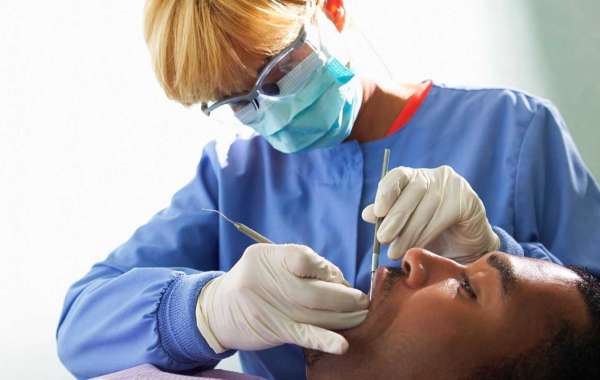

Choosing a professional dental clinic in Dubai for orthodontic care can help patients address concerns related to crowded teeth, spacing, tooth position, and certain bite problems. Braces and clear aligners are commonly used to gradually move teeth into more suitable positions while improving dental function and smile appearance.
Orthodontic treatment is not the same for everyone. The appropriate option depends on the patient's age, tooth alignment, bite, oral health, lifestyle, and treatment goals. A detailed assessment is therefore important before deciding between traditional braces and clear aligners.
What Is Orthodontic Treatment?
Orthodontic treatment focuses on correcting the position of teeth and, in some cases, improving certain bite relationships. Proper alignment can make teeth easier to clean and may support better oral function.
Treatment works by applying controlled pressure to teeth over time. The process requires regular monitoring so the dentist or orthodontic professional can evaluate progress and make adjustments when necessary.
The length of treatment varies according to the complexity of the case and how consistently the patient follows professional instructions.
Traditional Dental Braces
Traditional braces use brackets attached to the teeth and an archwire that applies controlled pressure. They can be used to manage many different types of alignment concerns.
Modern braces are designed to be more comfortable and less noticeable than some older systems. They can be suitable for patients who require more comprehensive tooth movement.
Regular appointments are necessary to monitor progress and make adjustments throughout treatment.
Clear Aligners
Clear aligners are removable trays designed to gradually move teeth according to a planned sequence. They are generally less noticeable than traditional braces and can be removed during eating and routine oral hygiene.
Patients must wear aligners for the recommended amount of time each day to achieve the planned movement.
Because they are removable, maintaining oral hygiene can be convenient. However, successful treatment depends heavily on patient compliance.
Braces vs. Clear Aligners
Both options can improve tooth alignment, but they work differently and may be suitable for different cases.
Traditional braces remain attached to the teeth throughout treatment and can be effective for a wide range of alignment concerns. Clear aligners offer a more discreet option and may be convenient for suitable cases.
The decision should be based on professional assessment rather than appearance alone. Your dentist can explain which approach is appropriate for your specific alignment problem.
Who May Need Orthodontic Treatment?
Orthodontic treatment may be considered for patients with crowded teeth, gaps, rotated teeth, overbite, underbite, crossbite, or other alignment concerns.
Children and teenagers may receive orthodontic evaluations as their permanent teeth develop, while adults can also undergo treatment when their teeth and gums are healthy enough.
Age alone does not determine suitability. The condition of the teeth, gums, bone, and bite should be evaluated professionally.
Orthodontic Assessment
Before treatment begins, the dentist or orthodontic professional will assess your teeth and bite. Digital scans, photographs, X-rays, or other diagnostic tools may be used when necessary.
The assessment helps determine the complexity of the case and supports treatment planning.
Patients should use the consultation to ask questions about expected treatment duration, costs, appointment frequency, maintenance, and possible alternatives.
Importance of Oral Hygiene
Good oral hygiene is particularly important during orthodontic treatment. Braces can create additional areas where plaque and food particles accumulate.
Patients with braces should clean carefully around brackets and wires and follow professional brushing recommendations. Interdental cleaning may also be necessary.
Clear aligners can be removed for brushing, but teeth should still be cleaned thoroughly before putting the aligners back in.
Eating During Orthodontic Treatment
Dietary habits may need to change during treatment with traditional braces. Hard or sticky foods can damage brackets or wires and may need to be avoided.
Clear aligner users can generally remove their trays before eating, but they should follow the dentist's instructions regarding drinks and tray care.
Maintaining a balanced diet can also support overall oral health throughout orthodontic treatment.
Regular Orthodontic Appointments
Orthodontic treatment requires ongoing monitoring. Follow-up appointments allow the dental professional to evaluate tooth movement and make necessary adjustments.
Skipping appointments can interfere with treatment progress and may extend the overall treatment period.
Patients should attend scheduled appointments and report any broken brackets, damaged wires, or problems with aligners.
Benefits of Proper Tooth Alignment
Improved alignment can make certain areas of the mouth easier to clean. Better positioning may also support comfortable chewing and contribute to a more balanced smile.
Correcting certain bite concerns may help improve dental function, although treatment outcomes vary between patients.
The primary goal should be appropriate oral function and healthy alignment rather than achieving a particular appearance alone.
Retainers After Treatment
After active orthodontic treatment, retainers are commonly used to help maintain the new tooth positions.
Teeth can naturally shift over time, so following the recommended retainer schedule is an important part of maintaining results.
Your dental professional will explain how and when to wear the retainer based on your individual case.
Choosing an Orthodontic Dental Clinic
When choosing a dental clinic Dubai for braces or aligners, consider the experience of the dental professionals, available orthodontic options, diagnostic technology, hygiene standards, treatment planning, and follow-up care.
Ask about the type of cases the professional treats and whether the clinic provides both the initial assessment and ongoing monitoring.
A clear explanation of treatment stages and costs can also help you make a more informed decision.
Understanding Treatment Costs
Orthodontic costs vary depending on the type of treatment, complexity, duration, materials, and number of appointments required.
Before starting treatment, ask what the quoted price includes. Some plans may involve diagnostic scans, retainers, follow-up visits, or replacement aligners.
Understanding the full financial commitment can help prevent unexpected costs later.
Final Thoughts
A professional dental clinic in Dubai can provide braces and clear aligners for suitable patients who want to improve tooth alignment, bite, and smile appearance. Both options have advantages, but the right choice depends on your individual dental condition and treatment goals.
A thorough orthodontic assessment should come before treatment so that the dentist can recommend an appropriate approach. With good oral hygiene, regular appointments, and consistent compliance with treatment instructions, patients can work toward healthier alignment and long-term dental stability.