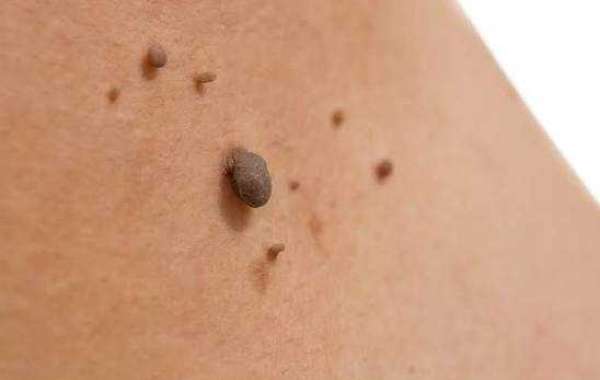

Skin tags are harmless growths that commonly appear on the neck, underarms, eyelids, groin, and other areas where skin rubs together. Many people choose Skin tag removal in Dubai to improve comfort, appearance, or prevent irritation from clothing and jewelry. One of the most common questions before the procedure is how long the healing process actually takes. While skin tag removal is generally quick, the recovery period depends on the removal method, the size of the tag, and how well the treated area is cared for afterward.
Understanding the healing timeline helps set realistic expectations and ensures you know what is normal during recovery. Let's explore how long skin tag removal takes to heal and the factors that influence the process.
Understanding the Skin Tag Removal Healing Process
Healing after skin tag removal is usually straightforward because the procedure targets only the superficial layers of the skin. Most people experience minimal discomfort and can return to normal daily activities shortly after treatment.
Common skin tag removal procedures include:
- Cryotherapy (freezing the skin tag)
- Laser removal
- Electrocautery (heat removal)
- Surgical excision
Each technique removes the skin tag effectively, but the healing time may vary slightly depending on the chosen method and the location of the treated area.
Typical Healing Timeline After Skin Tag Removal
Although every individual heals differently, most people follow a similar recovery pattern after professional skin tag removal.
First 24 Hours
Immediately after treatment, you may notice:
- Mild redness
- Slight swelling
- Minor tenderness
- A small scab beginning to form
These reactions are completely normal and usually disappear quickly.
Days 2–7
During the first week:
- The treated area starts drying.
- A protective scab forms.
- Redness gradually fades.
- Any mild discomfort continues to improve.
It is important not to pick at the scab, as this can slow healing.
One to Two Weeks
For most individuals, healing is nearly complete within one to two weeks.
The scab naturally falls away, revealing fresh skin underneath. Depending on your skin type, the area may appear slightly pink before blending with the surrounding skin.
Two to Four Weeks
Complete skin recovery generally occurs within two to four weeks. Larger skin tags or those removed from high-friction areas may require slightly longer healing.
Patients choosing skin tag removal in Dubai often appreciate the relatively short recovery period, allowing them to resume everyday routines with minimal interruption.
Factors That Affect Healing Time
Several factors influence how quickly your skin recovers after treatment.
Size of the Skin Tag
Larger skin tags usually leave a slightly bigger treatment site, requiring more time to heal than very small growths.
Removal Method
Different techniques produce different healing responses.
- Laser removal often causes minimal tissue damage.
- Cryotherapy may require the treated tag to fall off over several days.
- Surgical removal can involve a slightly longer healing period.
- Electrocautery typically creates a small scab that heals quickly.
Treatment Location
Areas that experience constant movement or friction, such as the underarms or groin, may heal more slowly than locations like the neck or back.
Individual Skin Healing
Everyone's body repairs skin at a different rate. Factors such as age, general health, hydration, and skincare habits all contribute to healing speed.
Proper Aftercare
Following aftercare instructions carefully significantly reduces healing time and supports healthy skin recovery.
Essential Aftercare Tips for Faster Healing
Good aftercare helps minimize irritation and encourages smoother healing after skin tag removal treatment.
Here are several helpful tips:
- Keep the treated area clean and dry.
- Avoid scratching or removing the scab.
- Wear loose clothing if the treated area experiences friction.
- Protect healing skin from excessive sun exposure.
- Follow any skincare instructions provided after the procedure.
- Avoid harsh skincare products until healing is complete.
These simple habits can make recovery more comfortable while reducing the chance of unwanted skin irritation.
What Is Normal During Healing?
Many people worry about temporary skin changes after removal. Fortunately, most healing symptoms are expected and resolve naturally.
You may notice:
- Mild redness
- Slight swelling
- A thin scab
- Temporary pink skin after the scab falls off
- Mild itching during healing
These signs usually indicate that the skin is repairing itself.
One of the advantages of laser skin tag removal is that it often produces less bleeding and allows for relatively fast recovery compared to some traditional techniques.
Can Skin Tags Leave Scars?
Scarring after professional skin tag removal is uncommon when the procedure is performed correctly and proper aftercare is followed.
Several factors influence scar formation:
- Size of the original skin tag
- Depth of removal
- Individual skin characteristics
- Sun protection during healing
- Avoiding unnecessary irritation
Most small skin tags heal with little or no visible mark once the skin has fully recovered.
If temporary discoloration appears, it generally fades gradually over the following weeks or months.
When Can You Return to Normal Activities?
Most patients return to normal activities immediately after treatment.
However, it is helpful to avoid activities that could irritate the treated area during the first few days, particularly if the removal site experiences frequent rubbing or sweating.
For example:
- Gentle daily activities are usually fine.
- Exercise may be resumed if it does not irritate the treated area.
- Swimming is often postponed until the skin has formed a protective barrier.
- Tight clothing should be avoided if it causes friction.
These precautions allow the skin to heal without unnecessary stress.
How to Support Healthy Skin After Recovery
Once healing is complete, maintaining healthy skin can reduce irritation and support your overall skin appearance.
Helpful habits include:
- Keeping skin moisturized
- Maintaining good hygiene
- Managing skin friction in areas prone to rubbing
- Wearing breathable clothing
- Monitoring your skin for any new growths
Although skin tags can develop over time due to genetics or friction, maintaining healthy skin habits may help reduce irritation that contributes to their formation.
Conclusion
Healing after skin tag removal is typically quick, with most people recovering within one to two weeks and experiencing complete skin healing in about two to four weeks. Recovery depends on the removal method, the size and location of the skin tag, and how well aftercare instructions are followed. Understanding the normal healing process allows you to feel more confident about what to expect after treatment. If you're considering Skin tag removal treatment, choosing professional care and following recommended aftercare can help promote smooth healing and healthy-looking skin.