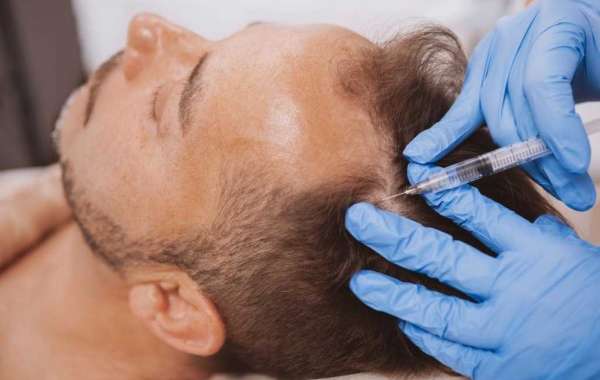

If you are considering the Best PRP Hair Treatment in Dubai, one of the first questions you may have is simple: how painful are the injections? PRP hair treatment involves using a person’s own platelet-rich plasma and injecting it into targeted areas of the scalp. While the thought of multiple scalp injections can sound uncomfortable, most people describe the sensation as manageable and temporary rather than severe. Understanding what happens during treatment can make the experience feel much less intimidating.
What Does PRP Hair Treatment Feel Like?
PRP, or platelet-rich plasma, is prepared from a small sample of the patient’s own blood. After processing, the platelet-rich portion is injected into areas of the scalp affected by thinning or hair loss.
The discomfort mainly comes from the injections rather than the PRP itself. Because the scalp contains many nerve endings, you may feel brief pinching, stinging, pressure, or a burning sensation as the needle enters the skin.
Pain levels can vary considerably from person to person. Someone with a lower pain tolerance may find the injections more noticeable, while another person may describe the procedure as only mildly uncomfortable.
Research also indicates that pain is among the commonly reported short-term side effects associated with PRP injections for hair loss. A systematic review found that injection-related pain generally disappeared after treatment, while more serious adverse effects were uncommon.
Why Can PRP Scalp Injections Feel Uncomfortable?
The scalp has a dense network of sensory nerves, so even very small needles can create a noticeable sensation. During a session, multiple injections may be administered across areas where hair density has decreased.
The discomfort is usually linked to three main factors:
- Needle insertion: Each injection can produce a brief pinching or stinging sensation.
- Injection pressure: You may feel pressure as the PRP is delivered into the scalp.
- Scalp sensitivity: Areas of the scalp can differ in sensitivity, making some spots feel more uncomfortable than others.
The number of injections and the injection technique can also influence how the procedure feels. Because PRP protocols are not completely standardized across studies and clinics, treatment methods can differ.
Importantly, discomfort does not necessarily mean that the treatment is damaging the scalp. The sensation is primarily associated with the injection process itself.
How Painful Is the Procedure Compared With Expectations?
Many people imagine PRP as an extremely painful procedure because it involves repeated injections. In reality, the discomfort is usually brief and occurs mainly during the injection stage.
You may notice several small pinches as different areas of the scalp are treated. Some injections may feel sharper than others, particularly around more sensitive areas.
After the session, the scalp may feel tender, tight, warm, or slightly sore. These sensations are generally temporary. Clinical research examining PRP for hair loss has reported mostly mild and transient adverse effects, although individual experiences can differ.
For someone who is nervous about needles, the psychological expectation of pain can sometimes make the procedure feel more difficult than it actually is. Discussing your concerns beforehand can help the treatment team adjust the approach where appropriate.
Can PRP Hair Treatment Be Made More Comfortable?
Yes. Comfort can be an important part of the treatment experience, particularly when several scalp injections are required.
Before undergoing PRP scalp injections, ask the treating professional how they manage discomfort during the procedure. Depending on the clinic's protocol and your individual circumstances, different comfort measures may be considered.
A few practical steps can also make the experience easier:
- Tell the practitioner if you are sensitive to needles or pain.
- Ask what numbing or comfort measures are available before treatment.
- Follow the clinic's preparation instructions carefully.
- Remain relaxed during the injections rather than tensing the scalp muscles.
- Ask about normal post-treatment sensations so you know what to expect.
It is also important not to self-medicate before a PRP session without professional guidance. Certain medicines and supplements can affect bleeding or platelet function, so any medications or supplements you regularly take should be discussed with the practitioner beforehand.
What Happens After PRP Hair Treatment?
The injections stop once the PRP has been delivered to the targeted scalp areas, but mild sensitivity may remain afterward. Some people experience tenderness or soreness for a short period, while others return to their normal activities with little discomfort.
Temporary redness or swelling can also occur around injection sites. These effects generally settle without requiring extensive intervention.
A 2024 systematic review and meta-analysis of randomized controlled trials involving PRP for female hair loss found that adverse effects were generally mild and transient. The analysis also found no significant difference in pain or discomfort between PRP and control groups.
Nevertheless, your recovery experience can depend on factors such as your scalp sensitivity, treatment technique, number of injection sites, and individual response.
If pain becomes unusually severe, persists longer than expected, or is accompanied by concerning symptoms, contact the treating medical professional rather than assuming it is a normal reaction.
Is PRP Worth the Temporary Discomfort?
For people dealing with pattern hair loss, the potential benefits of PRP are one reason the treatment continues to attract interest. PRP is designed to deliver concentrated platelets into the scalp, where various growth-related substances may support the hair follicle environment.
Research has reported improvements in hair density in people with pattern hair loss, although outcomes can vary. A systematic review of randomized controlled trials found PRP was associated with increased hair density compared with placebo or no treatment, while also noting limitations in the available evidence.
More recent evidence remains encouraging but highlights the importance of realistic expectations. A 2025 systematic review and meta-analysis covering 43 randomized controlled trials and 1,877 participants found moderate evidence supporting improvements in hair density and reductions in hair loss, while emphasizing the need for better standardization and higher-quality research.
Therefore, PRP should not be viewed as a guaranteed cure for every form of hair loss. The likely response depends on the underlying cause of hair loss, the condition of the follicles, treatment protocol, and individual factors.
What Should You Ask Before Your PRP Session?
If pain is your biggest concern, a consultation is a good opportunity to get specific answers before committing to treatment.
Consider asking:
- How many injections are typically required?
- What comfort or numbing measures are available?
- How long does scalp tenderness usually last?
- What should I avoid immediately after treatment?
- Is PRP appropriate for my specific type of hair loss?
- How will my progress be monitored?
These questions can help you understand the procedure rather than relying on assumptions about how painful it will be.
It is equally important to have the cause of hair loss assessed. PRP may be useful for certain types of hair loss, particularly pattern hair loss, but thinning can also result from nutritional issues, hormonal changes, inflammatory scalp conditions, medications, stress-related shedding, and other causes. A proper assessment helps determine whether PRP is an appropriate option.
Conclusion
So, how painful is PRP hair treatment for the scalp? For most people, the main sensation is brief pinching or stinging during the injections, followed by temporary scalp tenderness. The level of discomfort varies from person to person, but available evidence generally describes PRP as having mild and transient side effects.
If you are considering PRP Hair Treatment, focus not only on expected comfort but also on whether the procedure is suitable for your type and stage of hair loss. A qualified medical professional can explain the injection technique, available comfort measures, expected recovery, and realistic results before treatment begins.