
Teeth Whitening in Dubai: Professional vs Home Methods
A brighter smile is a common cosmetic goal, but choosing the right whitening method can be difficult when many products and treatments are available. Professional and home whitening approaches can both improve certain types of tooth discoloration, but they differ in strength, supervision, convenience, and treatment time. Consulting a qualified dental clinic in dubai can help you understand which option is appropriate for your teeth and cosmetic goals.
What Is Professional Teeth Whitening?
Professional teeth whitening is performed or prescribed under the supervision of a dental professional. Before treatment, the dentist examines your teeth and gums to identify cavities, gum problems, enamel damage, sensitivity, or other concerns.
The dentist can then recommend an appropriate whitening system based on your individual condition. Professional options may include in-office whitening or customized take-home trays.
What Is Home Teeth Whitening?
Home whitening generally involves products designed for use outside a dental practice. These may include whitening strips, gels, trays, toothpaste, or other over-the-counter products.
Some home treatments are professionally provided and customized, while others are purchased independently. Their concentration, application method, and expected results can vary significantly.
Professional guidance can help ensure that a home whitening product is suitable for your dental condition.
How Does In-Office Whitening Work?
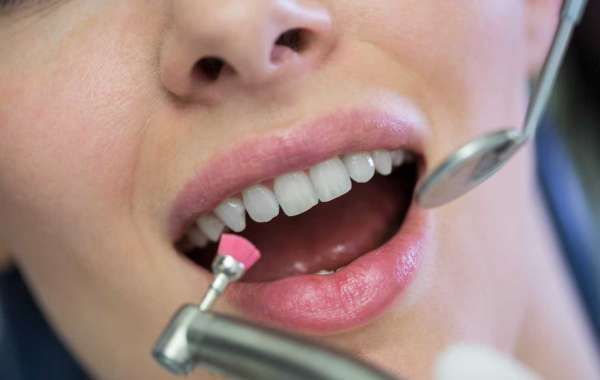
In-office whitening is performed during a dental appointment. The dentist prepares the teeth and applies the whitening product under controlled conditions.
Because the treatment is professionally supervised, the dentist can monitor the process and provide guidance if sensitivity or gum irritation occurs.
This approach may be suitable for patients who want a more immediate cosmetic improvement.
How Does Professional Take-Home Whitening Work?
Professional take-home whitening usually involves customized trays designed to fit the patient's teeth.
The dentist provides the appropriate whitening product and instructions regarding application, frequency, and treatment duration.
The process may take longer than in-office whitening, but it allows patients to complete treatment at home while following a professionally planned system.
How Do Over-the-Counter Products Work?
Over-the-counter whitening products are generally designed for convenient home use.
Whitening strips and similar products may help reduce some surface or mild discoloration, but results can vary. The product may not fit every individual's teeth equally well, and some people may experience sensitivity or gum irritation.
Reading and following the manufacturer's instructions is essential when using these products.
Which Method Is More Effective?
Effectiveness depends on the type and cause of tooth discoloration as well as the whitening system used.
Professional treatment provides the advantage of an examination and individualized treatment planning. Over-the-counter products may be convenient for mild surface staining but may not provide the same level of customization.
A dentist can determine whether whitening is likely to produce the improvement you want.
Professional Supervision and Safety
One of the main differences between professional and unsupervised home whitening is dental assessment.
Before professional treatment, the dentist can identify cavities, cracked teeth, gum inflammation, and other conditions that may make whitening uncomfortable or inappropriate.
Professional supervision also helps ensure that the whitening product is used according to recommended guidelines.
What About Tooth Sensitivity?
Sensitivity is a possible side effect of whitening regardless of the method used.
Some people may experience temporary sensitivity to cold foods, drinks, or air. The likelihood can depend on the condition of the enamel, existing sensitivity, whitening concentration, and treatment duration.
If you already have sensitive teeth, speak with your dentist before starting a whitening program.
Home Whitening for Sensitive Teeth
Patients with sensitivity should avoid choosing a whitening product solely because it is inexpensive or convenient.
The cause of sensitivity should first be identified. It may be related to enamel wear, gum recession, cavities, cracks, or another dental condition.
Once the cause is understood, the dentist can advise whether whitening is suitable and which approach may be more comfortable.
Can Home Whitening Damage Teeth?
Whitening products used incorrectly or excessively can cause sensitivity and irritation.
The risk depends on the product, concentration, frequency of use, and how closely instructions are followed.
Using professional guidance or following the manufacturer's instructions carefully can help reduce unnecessary risks. Whitening should not be used as a substitute for treating dental disease.
Cost Comparison
Professional and home whitening can differ considerably in cost.
In-office treatment generally involves professional examination, clinical supervision, and the whitening procedure itself. Professionally supplied take-home trays may also include customized fitting and follow-up care.
Over-the-counter products are often less expensive initially, but the final value depends on how effectively they address your particular type of staining.
Convenience of Home Whitening
Home whitening is attractive to many people because it can be incorporated into their routine.
Professionally customized trays can be used according to the dentist's instructions without requiring the patient to remain in the dental office for the entire whitening process.
However, home treatment may require more patience because results can develop gradually.
Speed of Professional Whitening
Patients who want a quicker cosmetic improvement may prefer in-office whitening.
The treatment is completed under professional supervision and may produce a noticeable change within a shorter period than some home methods.
The exact outcome varies, and the dentist should explain what level of improvement can realistically be expected.
Whitening and Existing Restorations
Neither professional nor home whitening generally changes the color of existing crowns, veneers, bridges, or fillings.
This can be particularly important if you have visible restorations on your front teeth.
A dentist can assess the shade of your natural teeth and restorations before treatment and explain how whitening may affect the overall appearance of your smile.
Which Option Is Right for You?
The right method depends on your dental health, staining, sensitivity, schedule, budget, and desired result.
Professional whitening may be preferable when you want customized treatment and professional monitoring. A professionally prescribed home system may be suitable if you prefer gradual treatment at home.
Over-the-counter products may work for certain mild stains, but they are not suitable for every dental condition.
When Whitening Should Be Delayed
Whitening may need to be postponed if you have untreated cavities, gum disease, severe sensitivity, cracked teeth, or other oral health concerns.
Treating these conditions first can improve comfort and help protect your teeth.
A dental examination is therefore recommended before beginning any significant whitening treatment.
How to Maintain Whitening Results
Regardless of the method used, maintaining a brighter smile requires good oral hygiene.
Brush twice daily with fluoride toothpaste and clean between your teeth regularly. Limit frequent exposure to coffee, tea, tobacco, and strongly colored foods.
Regular professional dental cleaning can also help remove plaque and surface deposits.
Professional Advice Matters
Choosing whitening based only on price or speed may not produce the best outcome.
A professional consultation provides an opportunity to understand the cause of discoloration and discuss realistic results. Your dentist can also explain the treatment process, expected sensitivity, maintenance, and possible alternatives.
Conclusion
Both professional and home whitening can improve certain types of tooth discoloration, but they offer different levels of supervision, customization, convenience, and treatment speed. Teeth Whitening in Dubai should ideally begin with a professional assessment to determine whether whitening is appropriate for your teeth.
In-office treatment may suit patients seeking a quicker cosmetic improvement, while professionally supervised take-home whitening can provide a convenient gradual approach. Whichever method you choose, following proper instructions and maintaining good oral hygiene are essential for protecting your smile and preserving your results.