
Dental Braces in Dubai: Types, Benefits and Costs
Choosing the right orthodontic treatment can help improve tooth alignment, bite function, and the appearance of your smile. Different types of braces are available for patients with varying dental needs and aesthetic preferences. A trusted dental clinic in dubai can examine your teeth and recommend suitable Dental Braces in Dubai based on your alignment concerns, oral health, treatment goals, and budget.
What Are Dental Braces?
Dental braces are orthodontic appliances used to move teeth gradually into better positions.
They work by applying controlled pressure to the teeth over a period of time. Regular adjustments allow the orthodontist to guide tooth movement according to the treatment plan.
Braces can address several concerns, including crooked teeth, crowding, spacing, and certain bite irregularities.
Why Are Different Types of Braces Available?
Patients have different orthodontic requirements and preferences.
Some people prioritize effective treatment for complex alignment issues, while others are more concerned about having a discreet appearance during treatment.
The available options can include traditional metal braces, ceramic braces, and other orthodontic appliances depending on the patient's specific case.
Metal Braces
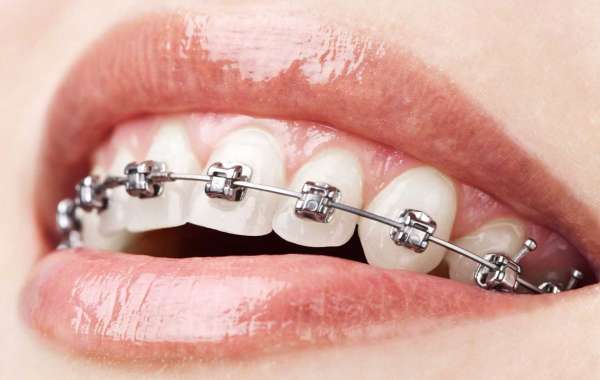
Traditional metal braces remain one of the most established orthodontic options.
They use metal brackets attached to the teeth and connected by orthodontic wires. The system allows the orthodontist to apply controlled forces and make precise adjustments throughout treatment.
Metal braces can be suitable for many types of alignment and bite problems.
Benefits of Metal Braces
One advantage of metal braces is their versatility.
They can be used for relatively simple alignment concerns as well as more complex orthodontic cases. Their established design also allows orthodontists to make controlled adjustments throughout treatment.
For patients who prioritize proven orthodontic technology and effectiveness, metal braces can be a practical choice.
Ceramic Braces
Ceramic braces work in a similar way to traditional braces but use brackets designed to blend more closely with the natural tooth color.
This makes them less noticeable than conventional metal brackets.
Ceramic braces may appeal to teenagers and adults who want a more discreet appearance while still using a fixed orthodontic system.
Benefits of Ceramic Braces
The main advantage of ceramic braces is their appearance.
Tooth-colored brackets can make the appliance less visible when compared with traditional metal braces.
They can provide effective tooth movement for suitable patients, although your orthodontist will determine whether ceramic braces are appropriate for your particular treatment needs.
How Do Braces Correct Teeth?
Braces work through controlled and gradual pressure.
The orthodontic wire connects the brackets and applies forces that encourage individual teeth to move.
As treatment progresses, the orthodontist adjusts the braces to continue guiding the teeth toward their planned positions.
Braces for Crowded Teeth
Crowding happens when teeth do not have enough room to align properly.
It can make certain areas difficult to clean and may affect the appearance of the smile.
Braces can gradually improve alignment by moving teeth into more suitable positions. The exact approach depends on the severity and cause of the crowding.
Braces for Spacing
Some patients have noticeable gaps between their teeth.
Orthodontic treatment can close appropriate spaces by gradually moving teeth together.
Before treatment, the orthodontist evaluates why the gaps exist because spacing can have different causes and may require different approaches.
Braces for Bite Problems
Braces can also help correct certain bite issues.
An overbite, underbite, crossbite, or other alignment problem may affect how the upper and lower teeth meet.
Orthodontic treatment aims to improve the relationship between the teeth and, when appropriate, the jaws.
Benefits of Dental Braces
One of the most visible benefits of braces is improved tooth alignment.
Straighter teeth can create a more balanced smile and may also make daily brushing and interdental cleaning easier.
For patients with certain bite problems, orthodontic treatment may also improve chewing function.
Improving Oral Hygiene
Crooked or crowded teeth can create areas that are difficult to clean.
Once teeth are properly aligned, brushing and cleaning between them may become easier.
However, maintaining good oral hygiene during braces treatment is equally important because brackets and wires can create additional areas where plaque can accumulate.
Supporting Bite Function
Proper tooth alignment contributes to a more balanced bite.
Braces can help guide teeth into positions that improve how the upper and lower arches come together.
The specific functional benefits depend on the patient's original bite and the goals of treatment.
What Determines Braces Cost?
The cost of orthodontic treatment can vary from one patient to another.
Important factors include the type of braces, complexity of the case, treatment duration, diagnostic procedures, number of appointments, and retainers required after treatment.
Additional dental treatment may also affect the overall expense.
Metal vs Ceramic Braces Cost
Metal braces are often considered a more economical fixed-brace option, while ceramic braces may cost more because of their materials and aesthetic design.
However, prices vary between clinics and individual treatment plans.
A consultation and detailed quotation are more useful than relying on a general advertised price.
Does Treatment Duration Affect Cost?
Treatment duration can influence the overall cost because longer treatment may require more adjustment appointments and monitoring.
However, treatment should not be rushed simply to reduce the number of visits.
The orthodontist determines the appropriate pace of tooth movement based on safety, biology, and treatment objectives.
Additional Costs to Consider
When comparing orthodontic prices, patients should ask what the quoted fee includes.
Possible components include the initial consultation, imaging, braces, fitting, adjustment appointments, emergency visits, removal, and retainers.
Understanding the complete package can help prevent unexpected expenses later.
Are Braces Affordable for Adults?
Adults can choose orthodontic treatment based on their dental needs and personal goals.
The cost is influenced by the same factors as treatment for younger patients, including appliance type and case complexity.
Some clinics may offer different payment arrangements, so patients can ask about available options during their consultation.
Treatment Timeline
The duration of braces treatment varies significantly.
Minor alignment issues may require less time, while significant crowding or complex bite problems may take longer.
Your orthodontist can provide an estimated timeline after examining your teeth and developing your treatment plan.
What Happens During Treatment?
After braces are fitted, patients attend periodic appointments.
The orthodontist checks tooth movement and adjusts the wires or other components when necessary.
These appointments help maintain controlled progress toward the planned alignment.
Eating With Braces
Patients with braces need to be careful with certain foods.
Hard, sticky, and excessively chewy foods can damage brackets or wires.
Choosing softer options and cutting harder foods into smaller pieces can help protect the appliance during treatment.
Cleaning Braces
Oral hygiene is essential while wearing braces.
Brush carefully around each bracket and along the gumline. Cleaning between teeth can also help reduce plaque accumulation.
Your dentist or orthodontist can recommend appropriate brushes and interdental cleaning tools for your specific appliance.
Retainers After Treatment
Once the desired alignment has been achieved, braces are removed.
Retainers are generally used afterward to help maintain the new tooth positions.
Without appropriate retention, teeth can gradually shift because of natural changes in the mouth.
Choosing Between Metal and Ceramic Braces
The decision should consider more than appearance.
Metal braces may be suitable for a broad range of cases and can be a cost-conscious choice. Ceramic braces provide a more discreet appearance but may have different care requirements.
Your orthodontist can recommend the option that best matches your treatment needs.
Importance of Professional Assessment
Braces should always be selected after a proper orthodontic evaluation.
The dentist or orthodontist needs to assess tooth alignment, bite, gum health, jaw structure, and overall oral condition before recommending treatment.
This ensures the chosen appliance is appropriate for your specific case.
How to Get the Best Results
Successful orthodontic treatment requires cooperation from the patient.
Attend scheduled appointments, maintain excellent oral hygiene, follow dietary recommendations, protect the braces from unnecessary damage, and wear retainers as instructed after treatment.
These habits can help keep treatment on schedule.
Conclusion
The different types of Dental Braces in Dubai give patients several options for improving tooth alignment and bite function. Metal braces offer a versatile and established solution, while ceramic braces provide a more discreet alternative for suitable cases.
Treatment costs depend on the appliance, complexity, duration, appointments, and additional requirements. Rather than choosing based solely on price, patients should seek a professional assessment and compare complete treatment plans. This approach can help ensure the selected braces are suitable for both dental needs and long-term smile goals.