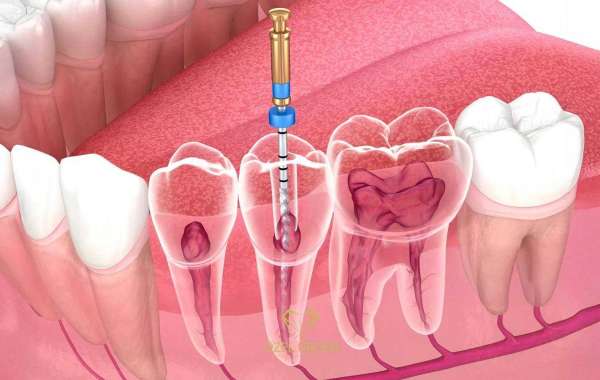

A damaged or infected tooth can cause persistent pain, sensitivity, swelling, and difficulty chewing. Root Canal Treatment in Dubai is designed to remove infected or inflamed pulp from inside the tooth and preserve the natural tooth whenever possible. A qualified dental clinic in dubai can examine your symptoms, perform appropriate diagnostic tests, and explain what you can expect before, during, and after root canal therapy.
What Is a Root Canal?
A root canal is the natural space inside a tooth that contains the dental pulp.
The pulp contains nerves and blood vessels. Deep decay, cracks, trauma, or repeated dental procedures can damage this tissue and allow bacteria to cause inflammation or infection.
Root canal treatment removes the affected pulp, cleans the internal canals, and seals the tooth to help prevent further infection.
Why Is Root Canal Treatment Recommended?
The treatment may be recommended when the pulp has become irreversibly inflamed or infected.
A deep cavity can allow bacteria to reach the inner part of the tooth. A crack or dental injury can also expose the pulp to bacteria.
Treating the problem can help control infection, relieve symptoms, and preserve the natural tooth.
Signs You May Need Root Canal Therapy
The symptoms of pulp damage vary between patients.
Persistent toothache, prolonged sensitivity to hot or cold, pain while biting, swelling around the tooth, gum tenderness, or a darkened tooth can indicate a potential problem.
Some infected teeth may not cause significant pain, which is why routine dental examinations are important.
What Happens During the First Appointment?
The dentist will first discuss your symptoms and examine the affected tooth.
Dental X-rays may be taken to assess the roots, surrounding bone, and extent of the problem. The dentist may also perform tests to determine whether the pulp is still responding normally.
Once the diagnosis is established, the dentist explains the available treatment options.
Is Local Anesthesia Used?
Local anesthesia is commonly used during root canal treatment.
The affected area is numbed before the dentist begins treatment. This helps reduce discomfort during the procedure.
If you feel anxious about dental treatment, tell your dental team beforehand so they can discuss appropriate comfort measures.
Step One: Preparing the Tooth
The dentist isolates the affected tooth and creates a small opening through the tooth to access the pulp chamber.
This provides access to the internal canal system where the infected or inflamed tissue is located.
The dentist works carefully to preserve as much healthy tooth structure as possible.
Step Two: Removing the Infected Pulp
The damaged pulp tissue is removed from the pulp chamber and root canals.
Specialized instruments are used to clean the internal spaces of the tooth.
Removing the affected tissue helps eliminate a major source of inflammation and bacterial contamination.
Step Three: Cleaning the Root Canals
After the pulp is removed, the root canals are cleaned and shaped.
The dentist uses specialized instruments and cleaning solutions to reduce bacteria and prepare the canals for sealing.
The complexity of this stage depends on the tooth's anatomy and the number and shape of its canals.
Step Four: Sealing the Canals
Once the canals have been adequately cleaned and prepared, they are filled and sealed.
The purpose of sealing is to reduce the possibility of bacteria entering the treated canal system again.
The dentist then restores the access opening and plans the final restoration.
Does Root Canal Treatment Hurt?
Modern root canal treatment is performed using local anesthesia, so significant pain during treatment is generally not expected.
Some tenderness may occur after the appointment, especially when the tooth was already inflamed or infected.
Your dentist can advise you about appropriate aftercare if temporary discomfort develops.
How Many Appointments Are Needed?
The number of appointments depends on the tooth and the complexity of treatment.
Some straightforward cases may be completed in one appointment, while more complex infections or teeth with complicated canal anatomy may require additional visits.
Your dentist can provide a more specific treatment timeline after examining your tooth.
What Happens After Root Canal Treatment?
After treatment, the tooth may feel different for a short period.
Mild tenderness or sensitivity can occur as the surrounding tissues recover. Follow the instructions provided by your dental professional and avoid placing unnecessary pressure on the tooth if it has a temporary restoration.
Contact your dentist if symptoms become severe or continue to worsen.
Why Does the Tooth Need a Final Restoration?
Root canal treatment addresses the internal infection, but the tooth may still require protection.
A tooth that has lost significant structure through decay, cracks, or treatment can be more vulnerable to fracture.
Depending on the tooth's condition, the dentist may recommend a crown or another suitable restoration to restore strength and function.
Root Canal Treatment for Front Teeth
Front teeth often have a simpler canal structure, but treatment still requires careful diagnosis and planning.
A root canal can help preserve a front tooth affected by deep decay, trauma, or pulp infection.
The final restoration can be designed to maintain the tooth's appearance and function.
Root Canal Treatment for Back Teeth
Premolars and molars can have more complex root anatomy.
Molars often contain multiple canals, making treatment more technically demanding. The dentist must locate, clean, shape, and seal the relevant canals.
A durable final restoration can be particularly important for back teeth because they receive significant chewing forces.
What Should You Eat After Treatment?
Your dentist may recommend avoiding hard or sticky foods until the final restoration has been placed.
If the tooth has a temporary filling, chewing heavily on that side may increase the risk of damage.
Once the permanent restoration is completed, your dentist can provide guidance on normal eating and oral care.
Root Canal Recovery Time
Most patients can return to their normal routine relatively quickly after treatment.
Temporary tenderness may occur, but recovery varies depending on the condition of the tooth and surrounding tissues.
Following professional aftercare instructions and attending scheduled follow-up appointments can support a smooth recovery.
What If Pain Continues?
Some discomfort after treatment can be temporary, but severe or persistent symptoms should be assessed.
Increasing pain, swelling, fever, or drainage may require prompt dental attention.
Do not assume that ongoing symptoms will resolve without evaluation. Contact your dental professional if you are concerned.
Can a Root Canal Prevent Extraction?
When a tooth is suitable for root canal treatment and can be properly restored, the procedure can help preserve the natural tooth.
Extraction may become necessary when a tooth cannot be predictably restored because of extensive structural damage, certain fractures, or other factors.
Your dentist can explain whether saving the tooth is realistic in your particular situation.
How to Protect Your Treated Tooth
Continue brushing twice daily with fluoride toothpaste and clean between your teeth.
Attend regular dental examinations and avoid using your teeth to open packages or bite hard objects.
If a crown or other restoration has been recommended, completing it as advised can provide additional protection.
Choosing a Dental Clinic in Dubai
When choosing a provider for Root Canal Treatment in Dubai, consider the dentist's qualifications, experience, diagnostic equipment, hygiene standards, and approach to treatment planning.
Ask how the condition of the tooth was diagnosed, how many appointments may be required, whether a crown is recommended, and what the expected recovery involves.
A clear explanation can help you understand the treatment and make an informed decision.
Conclusion
Knowing what to expect can make root canal treatment feel more manageable. The procedure generally involves diagnosis, local anesthesia, removal of infected pulp, cleaning and shaping of the root canals, sealing, and restoration of the tooth.
If you are considering Root Canal Treatment in Dubai, a qualified dental clinic in dubai can evaluate your tooth and explain the most suitable treatment plan. Following professional advice, completing the recommended restoration, and maintaining good oral hygiene can help protect the treated tooth for the long term.