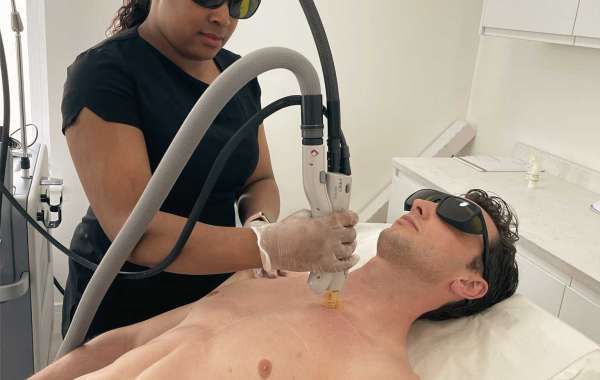

Laser hair removal in Dubai (إزالة الشعر بالليزر في دبي) can be easier to understand when you know what questions to ask before beginning treatment. Because laser hair reduction depends on your skin, hair, treatment area, lifestyle, and individual response, a generic treatment plan may not provide the information you need. Asking specific questions before your first session can help you understand the process, prepare appropriately, and establish realistic expectations.
Is Laser Hair Removal Suitable for Me?
One of the first questions should be whether your skin and hair characteristics are appropriate for the selected treatment.
Laser technology does not respond identically to every combination of skin tone, hair color, thickness, and density.
An assessment can help determine whether the treatment is suitable for the area you want to target.
This is more useful than assuming that a treatment will work simply because it worked for someone else.
Which Areas Can Be Treated?
Laser hair reduction can be considered for many areas of the body, but suitability may vary according to the location and hair characteristics.
Ask specifically about the areas that concern you.
You may be interested in facial hair, underarms, legs, arms, back, chest, shoulders, or other regions.
Understanding what can realistically be addressed allows you to create clearer treatment goals.
Which Laser Technology Is Being Used?
Not all laser systems operate in exactly the same way.
Different technologies and wavelengths have different characteristics and may be selected according to skin tone, hair pigmentation, and treatment requirements.
Rather than choosing a treatment simply because it sounds advanced, ask why the selected technology is appropriate for your particular skin and hair.
How Does My Skin Tone Affect Treatment?
Skin pigmentation is an important consideration because laser energy can interact with pigment in both the hair and surrounding skin.
People with different skin tones may require different treatment approaches.
If you have a deeper complexion, ask how the treatment will be adapted to account for your natural pigmentation.
This can provide a clearer understanding of how skin safety is being considered.
Does My Hair Color Matter?
Hair pigmentation can influence laser response.
Darkly pigmented hair may provide a stronger target than very light, gray, or white hair.
If your hair is blonde, red, gray, white, or very fine, ask how its characteristics may influence expected results.
This can help you avoid unrealistic assumptions about hair reduction.
Does Hair Thickness Affect the Treatment?
Coarse and fine hair can behave differently during laser treatment.
An area with thick, dark growth may respond differently from an area containing scattered fine strands.
Ask whether the thickness and density of your hair are likely to influence the treatment course.
This is particularly useful if different areas of your body have noticeably different hair characteristics.
How Many Sessions Might I Need?
There is no universal number of sessions that guarantees the same outcome for everyone.
Hair-growth cycles, treatment area, pigmentation, density, and individual response all contribute to the process.
Instead of asking for a fixed promise, ask what factors will determine your treatment schedule.
This produces a more realistic understanding of what the course may involve.
How Far Apart Are Sessions Scheduled?
Treatment timing is connected to the natural growth cycle of hair.
Because follicles are active at different times, sessions are generally spaced rather than performed continuously.
Ask how the schedule will be determined for your specific treatment area.
Different body regions may require different timing.
What Should I Do Before My Appointment?
Preparation can vary according to the treatment area and technology.
You may receive instructions regarding shaving, sun exposure, skincare products, and other grooming habits.
Ask for clear preparation instructions before the appointment so you know exactly what should be done and what should be avoided.
Good preparation can make the treatment process more straightforward.
Should I Shave Before Treatment?
Shaving is commonly used to manage visible hair before laser treatment, but the appropriate timing can vary.
Ask when you should shave and whether the treatment area should be left untouched for a certain period beforehand.
This is especially important if you normally use waxing, threading, or other root-removal methods.
Can I Wax or Pluck Between Sessions?
This is an important question because waxing and plucking remove hair from the root.
Laser treatment is designed to interact with suitable follicular targets, so removing the hair from the root may not fit the intended treatment approach.
Ask which temporary hair-management method is appropriate between appointments.
What About Recent Sun Exposure?
Recent tanning or prolonged sun exposure can change skin pigmentation.
Because laser energy interacts with pigment, this information can influence treatment planning.
Always mention recent holidays, outdoor activities, tanning, or sunburn.
Ask how long you should allow between significant sun exposure and treatment.
What If My Skin Is Irritated?
Treatment may need to be reconsidered if the area is unusually irritated, sunburned, inflamed, or otherwise compromised.
Before treatment, ask what skin conditions should be reported.
This can help prevent unnecessary discomfort and ensure the treatment area is assessed appropriately.
What Will the Treatment Feel Like?
People describe laser treatment sensations differently.
Some experience warmth, snapping sensations, or brief discomfort, while others find the process relatively easy to tolerate.
Ask what sensation is typical for the selected technology and treatment area.
Understanding what to expect can make the appointment feel less uncertain.
Is Cooling Used During Treatment?
Some laser systems use cooling technology to improve comfort and help manage heat around the treatment area.
Ask whether cooling is incorporated into the treatment and how it works.
This can be particularly useful when discussing treatment for sensitive areas or skin with higher pigmentation.
How Long Will an Appointment Take?
Treatment duration depends on the size of the area.
A small facial region may require much less time than both legs, the back, or another large body area.
Ask how long your particular appointment is expected to take so you can organize work, travel, exercise, and other commitments appropriately.
What Can I Expect Immediately Afterward?
The treated area may temporarily appear different after laser treatment.
Some people experience mild redness or warmth.
Ask what reactions are considered expected and how long they generally last.
Knowing what is normal can make it easier to distinguish temporary treatment effects from changes that require further attention.
What Aftercare Should I Follow?
Aftercare is an important part of the treatment process.
You may receive guidance about sun protection, heat, friction, exercise, skincare products, and hair removal.
Ask for clear instructions specific to your treatment area.
Following appropriate aftercare can help you manage the treated skin more comfortably.
When Can I Exercise Again?
If you regularly visit the gym, swim, run, or participate in sports, ask how soon you can return to those activities.
The answer may depend on the treatment area and how your skin responds.
Planning ahead can prevent your appointment from conflicting with an important training session or sporting event.
When Can I Swim?
Swimming involves water, heat, chemicals, and sometimes prolonged sun exposure.
If you regularly use pools or swim outdoors, ask when it is appropriate to return to swimming after treatment.
This is particularly relevant for people who have frequent swimming sessions or upcoming beach holidays.
How Should I Protect My Skin From Sun?
Sun protection can be especially important during a laser treatment course.
Ask what level of sun avoidance or protection is recommended for your treated areas.
This is particularly relevant if you spend considerable time outdoors or live in a climate with strong sunlight.
What Results Are Realistic for My Hair?
A useful treatment discussion should focus on realistic reduction rather than guaranteed complete hair removal.
Ask what changes might reasonably be expected based on your hair color, thickness, density, and treatment area.
This can help you establish goals that reflect your individual characteristics.
What Happens If Some Hair Does Not Respond?
Not every hair necessarily responds in the same way.
Very fine or lightly pigmented hairs may behave differently from coarse, dark strands.
Ask how uneven response may be managed and whether remaining growth could require a different approach or maintenance treatment.
Will I Need Maintenance Sessions?
Long-term hair reduction does not necessarily mean that every treated follicle will remain inactive forever.
Hormonal changes and natural biological processes can contribute to future growth.
Ask whether maintenance treatment may be appropriate after completing the initial course.
Can Hormonal Changes Affect My Results?
Hormonal activity can influence hair growth, particularly in certain facial and body areas.
If you experience changes in hair growth over time, ask how these may affect your treatment expectations.
Understanding this possibility can help explain why some people require additional treatment in the future.
How Should I Track My Progress?
A treatment course can extend over several months, making gradual changes difficult to remember.
Ask whether progress photographs or another form of comparison would be useful.
Consistent photographs can help you observe changes in density and regrowth more objectively.
What Should Make Me Contact You?
Before starting, ask which reactions are expected and which ones should be reported.
Persistent discomfort, significant blistering, unusual pigmentation, or other unexpected changes should not simply be ignored.
Having clear guidance beforehand means you know when further advice may be appropriate.
Why Personalized Advice Matters
Laser hair reduction is not a one-size-fits-all treatment.
Your skin tone, hair characteristics, treatment area, recent sun exposure, and personal routine can all influence the approach.
Asking detailed questions encourages a treatment plan based on your individual circumstances rather than generic expectations.
Final Thoughts
Laser hair removal in Dubai becomes easier to approach when you understand what to ask before starting treatment. Questions about laser technology, skin tone, hair characteristics, session timing, preparation, shaving, sun exposure, aftercare, exercise, and realistic results can help you make a more informed decision. A clear understanding of the process can also reduce confusion during the treatment course and help you prepare your routine appropriately. TAJMEELS DUBAI عيادة تجميل provides an opportunity to explore laser hair-reduction options while considering your individual skin, hair, and grooming goals.