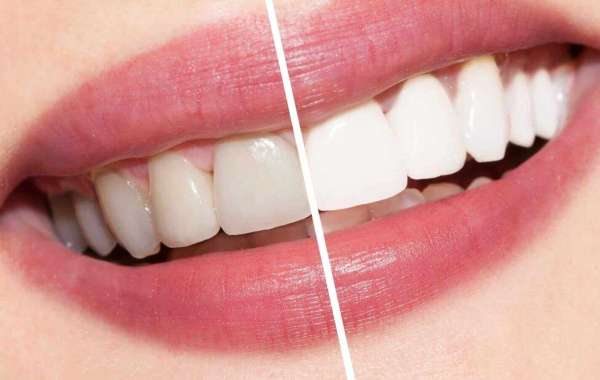

A bright smile can enhance your appearance and make you feel more confident. Teeth Whitening is a popular cosmetic treatment for people who want to reduce stains and improve the overall brightness of their natural teeth. Understanding the available options can help you choose an approach that matches your dental needs and expectations.
Tooth discoloration can develop because of aging, food, beverages, tobacco use, or certain dental conditions. The right treatment depends on the type and severity of the staining.
Before beginning any cosmetic whitening procedure, a professional assessment at a trusted dental clinic can help determine whether your teeth and gums are suitable for treatment.
What Is Teeth Whitening?
Teeth whitening is a cosmetic procedure that helps lighten the appearance of natural teeth. Whitening products use active ingredients that break down certain staining compounds within the tooth structure.
Treatment can be provided in a dental office or through dentist-supervised take-home systems. Your dentist can recommend the most appropriate option based on your tooth shade, sensitivity, and desired outcome.
Benefits of Teeth Whitening
One of the main benefits of professional whitening is that it can improve the appearance of stained or yellowish teeth. A brighter smile can make your teeth appear cleaner and more refreshed.
Professional treatment also provides greater control over the whitening process. Your dentist can evaluate your oral health and recommend a suitable treatment rather than relying on a generic product.
Whitening can also be incorporated into a broader cosmetic dentistry plan when patients are considering other smile-enhancing procedures.
Common Causes of Tooth Discoloration
Several factors can contribute to tooth staining. Coffee, tea, soft drinks, sauces, and other strongly pigmented foods can cause surface stains over time.
Smoking and tobacco use can lead to significant discoloration. Natural aging can also make teeth appear darker because enamel gradually becomes thinner and the underlying dentin becomes more visible.
Some medications, trauma, and internal tooth changes can cause deeper discoloration that may not respond fully to standard whitening.
Types of Teeth Whitening
In-Office Whitening
Professional in-office whitening is performed under dental supervision. The dentist applies the whitening product and carefully controls the treatment process.
This option can be convenient for patients who prefer professional treatment rather than using whitening products independently at home.
Take-Home Whitening
Take-home whitening allows patients to brighten their teeth according to a dentist's instructions. Custom trays may be used to deliver the whitening product evenly.
This option can provide greater flexibility and may be suitable for patients who prefer gradual results.
How Does Whitening Work?
Whitening agents work by interacting with staining compounds within the tooth. As these compounds are broken down, the teeth can appear lighter.
The outcome varies according to the original tooth color, type of staining, treatment method, and individual response.
Not every type of discoloration responds equally. Internal stains caused by certain medications or trauma may require alternative cosmetic treatment.
Is Professional Whitening Safe?
When appropriately recommended and performed, professional whitening is generally considered safe for suitable patients. Some people may experience temporary sensitivity or mild gum irritation.
Following the dentist's instructions is important for minimizing unwanted effects. Patients should also have existing dental concerns evaluated before treatment.
Who Is a Good Candidate?
Teeth whitening is generally intended for natural teeth with cosmetic discoloration. Patients with healthy teeth and gums may be suitable candidates after a dental assessment.
However, crowns, veneers, bridges, and certain fillings do not usually whiten in the same way as natural enamel. This should be discussed before treatment to avoid an uneven final appearance.
How Long Do Whitening Results Last?
The duration of whitening results varies depending on lifestyle and oral care. Frequent consumption of coffee, tea, colored foods, or tobacco products can cause new stains to develop.
Good oral hygiene and regular professional cleaning can help maintain a brighter appearance. Some patients may benefit from occasional touch-up treatment based on their dentist's recommendations.
Managing Tooth Sensitivity
Temporary sensitivity is one of the more common concerns associated with whitening. The intensity can depend on the treatment method, product concentration, and individual sensitivity.
If you already have sensitive teeth, inform your dentist before starting treatment. Your dentist can suggest an appropriate approach and provide guidance for managing any discomfort.
Maintaining a Brighter Smile
After whitening, maintaining good oral hygiene is important. Brush regularly, clean between your teeth, and attend routine dental examinations.
Limiting frequent exposure to strongly colored foods and beverages can also help reduce new staining. Rinsing with water after consuming staining drinks may be helpful as part of your daily routine.
Final Thoughts
Teeth Whitening can help improve the appearance of naturally stained or discolored teeth and create a brighter-looking smile. In-office and dentist-supervised take-home options provide different approaches depending on individual preferences and dental needs.
A professional dental assessment is the best starting point. Your dentist can identify the cause of discoloration, discuss realistic results, and recommend a suitable whitening treatment for your smile.