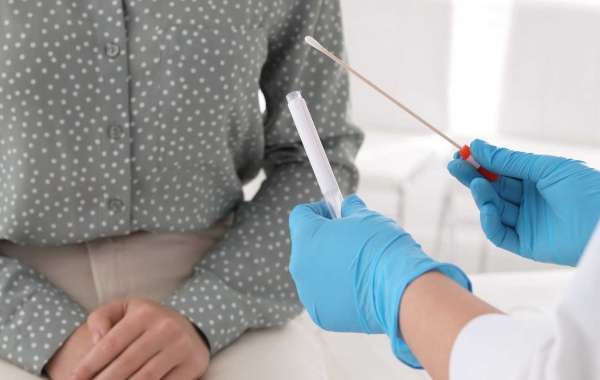

A Chlamydia Test in Dubai can help identify an infection when symptoms or a possible exposure raise concerns about sexual health. Chlamydia can sometimes develop without noticeable signs, making appropriate testing useful even when a person feels well.
An STD Test may include chlamydia screening along with other sexually transmitted infection tests. A healthcare professional can recommend suitable testing based on your symptoms, sexual history, and possible exposure.
What Are the Signs of Chlamydia?
Chlamydia does not always cause symptoms, but some people may notice changes that deserve medical attention.
Possible signs can include unusual genital discharge, discomfort during urination, pelvic discomfort, or bleeding between periods. Men may experience penile discharge, burning during urination, or discomfort around the testicles.
These symptoms can also occur with other infections or health conditions, so testing is important rather than assuming chlamydia is the cause.
When Should You Consider Testing?
After Unprotected Sex
Unprotected sexual contact can increase the risk of chlamydia and other STIs. If you are concerned about a recent encounter, speak with a healthcare professional about appropriate screening.
After a Partner Tests Positive
If a current or recent sexual partner has been diagnosed with chlamydia, seek professional advice about testing and treatment.
After a New Sexual Relationship
If you have a new sexual partner and do not know your current STI status, screening may be worth discussing with a healthcare professional.
When Symptoms Appear
Unusual discharge, painful urination, pelvic discomfort, or other genital changes should be evaluated. Testing can help determine whether chlamydia or another condition is responsible.
Can You Have Chlamydia Without Signs?
Yes. Chlamydia can occur without noticeable symptoms in both men and women.
This is one of the main reasons people should not rely solely on symptoms when deciding whether testing is appropriate.
How Is Chlamydia Diagnosed?
Urine Testing
A urine sample may be used to detect chlamydia. The healthcare provider or laboratory will provide instructions for collecting the sample.
Swab Testing
A swab may be recommended depending on symptoms and the location of possible exposure. If oral or anal sexual contact occurred, tell your healthcare provider because this may affect which sites should be tested.
When Should You Get Tested After Exposure?
The appropriate testing time depends on the circumstances surrounding the possible exposure. Testing immediately after an encounter may not always detect an infection.
A healthcare professional can advise you about the appropriate timing and whether repeat testing may be necessary.
What Happens If Your Test Is Positive?
A positive result means chlamydia was detected in the tested sample. A qualified healthcare professional can provide appropriate treatment.
Follow all treatment instructions and discuss partner management with your healthcare provider. Current or recent sexual partners may also need evaluation, testing, or treatment.
What If Your Test Is Negative?
A negative result means chlamydia was not detected in the sample tested.
If you continue to have symptoms or were tested very soon after possible exposure, consult a healthcare professional about whether additional testing or evaluation is appropriate.
Why Should You Avoid Self-Diagnosis?
Symptoms alone cannot confirm chlamydia. Similar signs can occur with different sexually transmitted infections and other medical conditions.
Professional testing can provide more useful information and help determine the appropriate next steps.
Protecting Your Sexual Health
Using condoms correctly and consistently can reduce the risk of chlamydia and other sexually transmitted infections.
Regular screening when appropriate, honest communication with sexual partners, and seeking professional advice after possible exposure can also support better sexual health.
Final Thoughts
A Chlamydia Test may be appropriate if you experience possible symptoms, have had unprotected sex, have a partner diagnosed with chlamydia, or have concerns about a recent exposure.
Because chlamydia can occur without symptoms, testing can be valuable even when you feel healthy. Speak with a qualified healthcare professional to determine which screening approach is suitable for you.