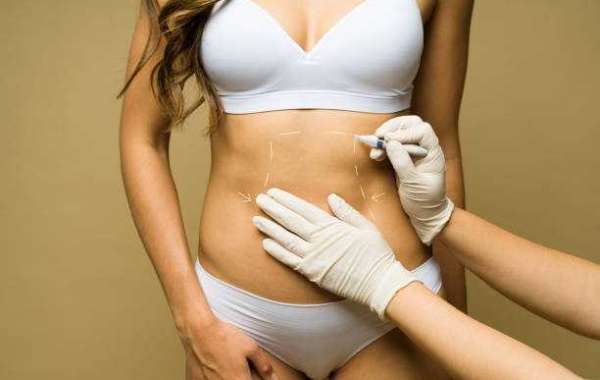

Skin elasticity is an important factor when considering liposuction because the skin needs to adapt to the body's new contours after localized fat is removed. Liposuction in Riyadh (عملية شفط الدهون في الرياض) can reduce stubborn fat deposits and improve body shape, but the quality and flexibility of the skin can influence how smoothly the treated area settles after the procedure. Understanding this relationship can help patients develop realistic expectations.
Liposuction focuses on removing selected fat rather than directly tightening or removing skin. Liposuction in Riyadh may be suitable for areas such as the abdomen, waist, hips, thighs, arms, back, and under the chin, but the expected result can vary depending on skin elasticity, age, weight changes, genetics, and the amount of fat being removed.
What Is Skin Elasticity?
Skin elasticity refers to the skin's ability to stretch and then return toward its original shape. Collagen and elastin fibers contribute to this flexibility. Skin with good elasticity may adapt more easily after fat reduction, while skin with reduced elasticity may not contract as effectively.
Why Does Skin Elasticity Matter for Liposuction?
When fat is removed, the skin must adjust to the smaller underlying volume. If the skin can contract appropriately, the treated area may appear smoother and more defined. When elasticity is limited, some looseness may remain after fat removal.
What Causes Reduced Skin Elasticity?
Several factors can influence skin elasticity. Natural aging can reduce collagen and elastin production, while significant weight fluctuations and pregnancy can stretch the skin. Genetics, sun exposure, and individual skin characteristics can also influence how the skin responds after liposuction.
Does Age Affect Liposuction Results?
Age can influence skin flexibility, but it does not automatically determine whether someone is suitable for liposuction. Some older patients may have good skin elasticity, while younger individuals can also experience skin laxity. A physical assessment is more useful than age alone when evaluating suitability.
How Weight Changes Affect Skin
Significant weight loss can leave excess or stretched skin in areas such as the abdomen, arms, and thighs. If loose skin is the primary concern, removing additional fat may not solve the problem. Your surgeon can determine whether liposuction alone is likely to provide the desired contour.
What About Skin After Pregnancy?
Pregnancy can stretch the abdominal skin and change the underlying tissues. Some women may have localized fat after pregnancy, while others may primarily have loose skin or abdominal muscle separation. Liposuction in Riyadh may address suitable fat deposits, but it does not directly repair separated muscles or remove significant excess skin.
Can Liposuction Tighten Loose Skin?
Liposuction itself is primarily a fat-removal procedure and does not directly remove significant excess skin. Some skin contraction may occur naturally after fat reduction, depending on individual elasticity. Patients with substantial laxity may require a different body-contouring procedure.
How Much Skin Contraction Can You Expect?
There is no universal amount of skin tightening that can be predicted after liposuction. The response depends on age, genetics, skin quality, the treatment area, and the amount of fat removed. Your surgeon can assess your skin and provide a more individualized expectation during consultation.
Which Areas Are More Affected by Skin Elasticity?
The abdomen, upper arms, thighs, and other areas with significant skin laxity require careful evaluation. The chin and neck can also be affected by skin quality because the skin must adapt after localized fat removal. Each treatment area should be assessed individually.
Can Good Skin Elasticity Improve Contouring?
Yes. When the skin has sufficient elasticity, it may adapt more effectively to the new underlying contour after fat removal. This can contribute to a smoother appearance. However, skin elasticity is only one factor among many that influence the final result.
What If You Have Poor Skin Elasticity?
Poor skin elasticity does not necessarily mean that no treatment is possible. However, liposuction alone may not provide the desired result if substantial loose skin is present. A surgeon may discuss alternative or combined body-contouring options depending on the patient's individual condition.
Why Treatment Planning Matters
A personalized assessment allows the surgeon to evaluate both fat and skin. Removing fat without considering skin quality can lead to an outcome that does not meet the patient's expectations. Careful planning helps determine whether liposuction alone, another procedure, or a combination approach is more appropriate.
Does Compression Help the Skin After Liposuction?
Compression garments are commonly recommended as part of post-operative care for many patients. They provide support to the treated areas and may help manage swelling while the tissues heal. However, compression should not be considered a replacement for natural skin elasticity or a treatment for significant excess skin.
What Happens During Recovery?
Swelling, bruising, tenderness, and tightness can occur after liposuction. As swelling decreases, the skin and underlying tissues gradually settle. Liposuction in Riyadh results develop progressively, so it can take time before the final contours become clear.
How Can You Support Skin Health?
Healthy lifestyle habits can support overall skin health. Maintaining a stable weight, eating a balanced diet, staying physically active, avoiding smoking, and protecting the skin from excessive sun exposure may support general skin quality. These habits cannot guarantee a specific post-liposuction result.
Can Results Change Over Time?
Yes. Although the fat cells removed during liposuction are permanently removed, aging and future weight changes can affect the appearance of the body. Maintaining a stable weight and healthy lifestyle can help preserve the contour improvements achieved through treatment.
Is Liposuction Suitable for Patients With Loose Skin?
Suitability depends on the amount of skin laxity and the patient's overall goals. Mild laxity may sometimes be compatible with liposuction, while significant excess skin may require another approach. A qualified medical professional should evaluate the area before treatment.
Book an Appointment at Royal Clinic Saudia
If you are concerned about skin elasticity and want to know whether liposuction is suitable for your body-contouring goals, book a consultation with Royal Clinic Saudia. The medical team can evaluate your skin quality, fat distribution, and treatment areas and provide personalized guidance about suitable options, preparation, recovery, and expected results.
FAQs:
Why is skin elasticity important for liposuction?
It affects how well the skin can adapt to the new contour after fat removal.
Can liposuction remove loose skin?
No. Liposuction removes fat but does not directly remove significant excess skin.
Does age determine skin elasticity?
Age can influence elasticity, but individual skin quality varies considerably.
What if I have significant loose skin?
Your surgeon may recommend another or combined body-contouring approach after assessing your skin.