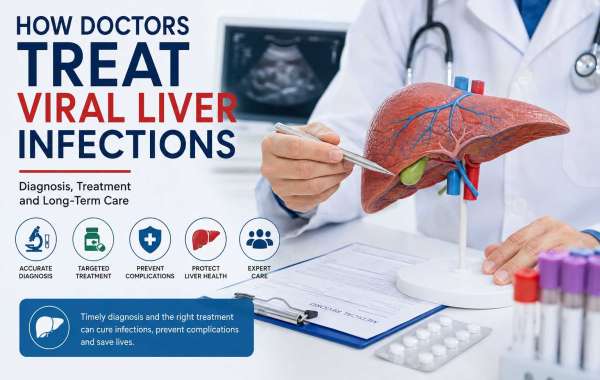

A viral liver infection can range from a short-term illness that gets better on its own to a serious condition that causes long-term liver damage. But how do doctors know which treatment is right for you?
The answer depends on the specific virus, whether the infection is acute or chronic, how much liver damage has occurred, and your overall health. Viral hepatitis includes hepatitis A, B, C, D and E. Hepatitis A and E usually cause short-term infections, while hepatitis B, C and D can become chronic and potentially lead to cirrhosis, liver failure or liver cancer.
Learn how doctors diagnose and treat viral liver infections, including hepatitis A, B, C, D, and E, and when to consult the best liver transplant surgeon in Delhi
Think of your liver as your body's chemical-processing plant. When a virus attacks it, doctors first identify the intruder and then decide whether the priority should be supporting the liver, controlling the virus, preventing complications, or considering advanced treatment.
Table of Contents
| Sr# | Headings |
|---|---|
| 1 | What Are Viral Liver Infections? |
| 2 | How Do Doctors Diagnose Viral Hepatitis? |
| 3 | How Is Hepatitis A Treated? |
| 4 | How Is Hepatitis B Treated? |
| 5 | How Is Hepatitis C Treated? |
| 6 | How Is Hepatitis D Treated? |
| 7 | How Is Hepatitis E Treated? |
| 8 | What Tests Help Doctors Monitor Treatment? |
| 9 | When Is Hospital Treatment Needed? |
| 10 | Can Viral Hepatitis Cause Liver Failure? |
| 11 | When Is a Liver Transplant Considered? |
| 12 | Lifestyle and Diet During Treatment |
| 13 | How Can Viral Liver Infections Be Prevented? |
| 14 | Why Regular Follow-Up Matters |
| 15 | When Should You See a Liver Specialist? |
1. What Are Viral Liver Infections?
Viral liver infections are infections caused by viruses that affect the liver. The five major hepatitis viruses are hepatitis A, hepatitis B, hepatitis C, hepatitis D and hepatitis E.
They do not all behave in the same way. Hepatitis A and E generally cause acute infections, meaning the infection usually lasts for a limited period. Hepatitis B, C and D can cause chronic infections that remain in the body for years.
Symptoms can include:
Fatigue
Loss of appetite
Nausea or vomiting
Abdominal discomfort
Fever
Dark urine
Pale stools
Yellow eyes or skin, known as jaundice
Joint or muscle aches
However, some people may have few or no symptoms, especially during certain stages of hepatitis. This is why testing can be important when there are risk factors or abnormal liver blood tests.
2. How Do Doctors Diagnose Viral Hepatitis?
Before treatment begins, doctors need to identify the cause of the liver inflammation.
A medical evaluation may include a discussion about symptoms, medical history, medications, previous illnesses, possible exposure to infected blood or contaminated food and water, and other risk factors.
Doctors may order blood tests to look for signs of hepatitis infection and liver inflammation. Depending on the suspected virus, testing can identify viral markers or genetic material from the virus.
Liver function tests may include measurements such as:
ALT and AST
Bilirubin
Alkaline phosphatase
Albumin
Prothrombin time or INR
Doctors may also use ultrasound, elastography or other imaging tests when they need to assess the liver's condition.
For chronic hepatitis, the goal is not simply to ask, "Is the virus present?" Doctors also want to know whether the infection is affecting the liver and whether treatment can reduce the risk of future complications.
3. How Is Hepatitis A Treated?
Hepatitis A usually causes an acute infection and generally gets better without specific antiviral treatment. Treatment is mainly focused on helping the person recover comfortably.
Doctors may recommend:
Adequate fluids
Nutritious food
Rest
Treatment for nausea or other symptoms when appropriate
Avoiding alcohol
Avoiding unnecessary medicines or supplements that could stress the liver
According to the WHO, there is currently no specific antiviral treatment for hepatitis A. Supportive care is the main approach. Most people recover, although recovery can sometimes take weeks or months.
In rare situations, hepatitis A can become severe and cause acute liver failure. Such patients require urgent medical care.
4. How Is Hepatitis B Treated?
Hepatitis B treatment depends heavily on whether the infection is acute or chronic.
For most people with acute hepatitis B, treatment focuses on managing symptoms and supporting recovery. Chronic hepatitis B is different. Some people with chronic infection need antiviral treatment, while others may be monitored regularly without immediate medication.
Doctors consider factors such as:
HBV DNA level
Liver enzyme levels
Evidence of liver inflammation or fibrosis
Presence of cirrhosis
Age and overall health
Other medical conditions
Risk of liver cancer
When treatment is appropriate, oral antiviral medicines such as tenofovir or entecavir may be used. These medicines suppress hepatitis B and can reduce the risk of liver-related complications.
WHO's updated guidance emphasizes broader access to testing and treatment for people who meet treatment criteria, along with continued monitoring.
One important point is that patients should not stop hepatitis B medication on their own. Stopping treatment without medical advice can allow the virus to become active again.
5. How Is Hepatitis C Treated?
Hepatitis C has changed dramatically over the years because modern antiviral medicines can cure the infection in most treated patients.
Doctors commonly use direct-acting antiviral medicines, often called DAAs. These medicines target the hepatitis C virus and are much more effective and easier to tolerate than older treatment approaches.
WHO's current guidance recommends curative direct-acting antivirals for hepatitis C.
Treatment decisions may depend on:
The hepatitis C genotype, when relevant
Whether cirrhosis is present
Previous hepatitis C treatment
Kidney function
Other medicines being taken
Other health conditions
After treatment, doctors use appropriate testing to determine whether the virus has been successfully cleared.
The important message is simple: hepatitis C should not be ignored just because symptoms are mild or absent. Early diagnosis and treatment can help prevent progressive liver damage.
6. How Is Hepatitis D Treated?
Hepatitis D is unusual because it requires hepatitis B to infect the body. In other words, a person cannot develop hepatitis D without hepatitis B infection.
Treatment can be more complicated than treatment for some other viral hepatitis infections.
Doctors may monitor:
Liver inflammation
Viral activity
Fibrosis or cirrhosis
Hepatitis B status
Signs of liver failure
Treatment options depend on the patient's circumstances and local availability of approved therapies. NIDDK notes that interferons may be used in some situations, while people with hepatitis D may also need treatment for hepatitis B.
Because hepatitis D can increase the risk of significant liver disease, specialist follow-up is particularly important.
7. How Is Hepatitis E Treated?
Hepatitis E is generally an acute infection and often resolves on its own.
For uncomplicated cases, doctors usually focus on:
Hydration
Adequate nutrition
Rest
Managing symptoms
Avoiding unnecessary medicines that could affect the liver
WHO states that there is no specific antiviral treatment that changes the course of typical acute hepatitis E.
However, hepatitis E should not automatically be considered harmless. Severe infection can lead to acute liver failure, and pregnant patients with symptomatic hepatitis E may require particularly careful medical attention.
8. What Tests Help Doctors Monitor Treatment?
Treatment does not end after the first prescription or diagnosis.
Doctors may repeat blood tests to understand whether liver inflammation is improving and whether the infection is responding to treatment.
Common monitoring may involve:
| Test | What It Helps Assess |
|---|---|
| ALT/AST | Liver inflammation |
| Bilirubin | Processing of bile and liver function |
| Albumin | Liver's ability to produce important proteins |
| INR/PT | Blood-clotting function |
| Viral load | Amount of virus in the blood for certain hepatitis infections |
| Ultrasound | Liver structure and complications |
| Elastography | Liver stiffness and possible fibrosis |
The exact tests and frequency depend on the type of hepatitis and the individual's condition.
For people with chronic hepatitis B or advanced liver disease, monitoring may also include screening for complications such as liver cancer.
9. When Is Hospital Treatment Needed?
Many viral hepatitis infections can be managed outside the hospital. But severe symptoms or abnormal liver function can change the situation.
Hospital care may be considered when there is:
Severe dehydration
Persistent vomiting
Severe abdominal symptoms
Confusion or unusual sleepiness
Significant bleeding
Rapidly worsening jaundice
Signs of acute liver failure
Severe complications of cirrhosis
The liver performs many critical functions, including helping with metabolism and blood clotting. When liver function suddenly deteriorates, the situation can become an emergency.
For this reason, someone with known viral hepatitis who develops confusion, severe weakness, unusual bleeding, worsening jaundice or other rapidly progressing symptoms should seek urgent medical attention.
10. Can Viral Hepatitis Cause Liver Failure?
Yes. Although many people recover from viral hepatitis without permanent damage, some infections can become severe.
Chronic hepatitis B, C and D can gradually damage liver tissue. Over time, this may result in fibrosis, cirrhosis, liver failure or liver cancer.
Acute hepatitis can also occasionally cause sudden liver failure.
This is why treatment is not simply about making symptoms disappear. The bigger goal is to protect the liver over the long term.
Imagine a small leak in a roof. Fixing it early may require only a simple repair. Ignoring it for years can damage the entire structure. Liver disease can work in a similar way: identifying and managing the cause early can help prevent much more serious problems later.
11. When Is a Liver Transplant Considered?
A liver transplant is not the routine treatment for viral hepatitis. Most people with viral hepatitis do not need a transplant.
However, transplantation may become necessary when viral infection has caused advanced, irreversible liver failure, or in selected cases of liver cancer or severe acute liver failure.
Before recommending transplantation, a specialist team evaluates factors such as:
Severity of liver failure
Degree of cirrhosis
Kidney and other organ function
Nutritional status
Presence of infection
Liver cancer status, when applicable
Overall suitability for transplantation
For patients whose liver disease has progressed to the point where transplantation is being considered, seeking evaluation from an experienced liver-transplant team is important. Patients searching for the best liver transplant surgeon in Delhi should focus on relevant transplant experience, multidisciplinary support, hospital facilities, outcomes, and the suitability of the treatment plan rather than relying on a title alone.
In hepatitis B-related liver failure, antiviral therapy and other measures may also be used around transplantation to help protect the transplanted liver.
12. Lifestyle and Diet During Treatment
Medical treatment is only one part of liver care.
Your doctor may recommend practical lifestyle changes depending on your condition.
Avoid Alcohol
Alcohol can place additional stress on an already inflamed or damaged liver. People recovering from acute hepatitis should discuss alcohol use with their doctor and generally avoid it until medically cleared.
Be Careful With Medicines
Do not assume that an over-the-counter painkiller, herbal product or "liver detox" supplement is automatically safe.
Some medicines and supplements can affect the liver. NIDDK specifically recommends discussing medicines, vitamins and dietary supplements with a doctor when you have viral hepatitis.
Choose Nutritious Foods
A balanced diet with adequate protein, fruits, vegetables, whole grains and appropriate fluids can support overall health.
There is no magic "liver detox" food that removes hepatitis viruses. The right medical treatment and healthy habits are far more important than expensive detox products.
13. How Can Viral Liver Infections Be Prevented?
Prevention depends on the virus.
Hepatitis A and B have vaccines that can significantly reduce the risk of infection. Hepatitis B vaccination is also an important public-health measure for preventing chronic hepatitis B and its complications.
Other preventive measures include:
Using safe drinking water
Practicing good hand hygiene
Following food-safety practices
Never sharing needles
Using properly sterilized medical or cosmetic equipment
Practicing safer sex
Ensuring donated blood is appropriately screened
Following medical advice during pregnancy when hepatitis B is present
Prevention is especially valuable because some viral hepatitis infections can remain unnoticed for years.
14. Why Regular Follow-Up Matters
One of the biggest mistakes people make is assuming that feeling better means the liver is completely healthy.
Symptoms and liver damage do not always move together.
A person with chronic hepatitis may feel perfectly normal while the infection continues to affect the liver. This is why doctors may recommend periodic blood tests, viral testing, imaging or other assessments.
Regular follow-up allows doctors to identify changes earlier and adjust treatment when necessary.
For chronic hepatitis B and other forms of long-term viral liver disease, ongoing monitoring can be an important part of preventing complications.
15. When Should You See a Liver Specialist?
You should consider discussing your condition with a liver specialist if you have:
Persistent abnormal liver tests
Positive hepatitis B or C testing
Known chronic hepatitis
Unexplained jaundice
Cirrhosis or liver fibrosis
Repeated episodes of hepatitis
Signs of liver failure
A history of liver cancer
Possible need for liver transplantation
A specialist can determine whether you need treatment, monitoring, additional testing or referral to a transplant team.
Most importantly, do not self-treat viral hepatitis based on internet advice. The right treatment depends on the virus, stage of disease, laboratory results and your overall health.
Conclusion
Doctors treat viral liver infections according to the specific virus and the extent of liver damage. Hepatitis A and E often require supportive care, while chronic hepatitis B may require long-term antiviral therapy and hepatitis C can often be cured with modern direct-acting antivirals.
Early diagnosis, appropriate treatment and regular monitoring can help protect the liver from serious complications. When liver disease becomes advanced, a specialist liver team can determine whether advanced therapies, including transplantation, are appropriate.
Frequently Asked Questions
1. Can viral liver infections be completely cured?
It depends on the virus. Hepatitis C can often be cured with direct-acting antiviral medicines. Hepatitis A usually clears naturally, while chronic hepatitis B is generally controlled rather than completely eliminated with current standard treatments.
2. Does every person with hepatitis need antiviral treatment?
No. Treatment depends on the type of hepatitis, whether the infection is acute or chronic, the amount of liver damage, viral activity and other health factors. For example, not everyone with chronic hepatitis B immediately requires medication.
3. Can hepatitis cause liver cirrhosis?
Yes. Chronic hepatitis B, C and D can cause ongoing liver inflammation and damage that may eventually result in fibrosis and cirrhosis. Early diagnosis and appropriate treatment can reduce the risk of serious complications.
4. When does viral hepatitis require a liver transplant?
A liver transplant may be considered when viral hepatitis has caused advanced liver failure or irreversible liver damage, or in selected patients with liver cancer. Most people with viral hepatitis do not require transplantation.
5. Should I see a liver specialist if my hepatitis symptoms have disappeared?
If you have confirmed hepatitis, particularly hepatitis B, C or D, it is still important to discuss follow-up with a qualified doctor. Some chronic infections can cause liver damage even when symptoms are absent.